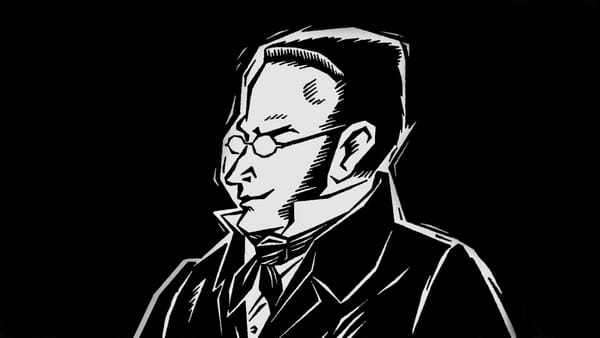
The Ghost in the Machine: Stirner’s Ego
Discover how Max Stirner’s philosophy dismantles digital collectivism and algorithmic spooks to reclaim the unique self.
May 20, 2026
3 min read
Why the minority always rules the majority—and the noble lies that make us accept it.

How a 1967 philosophical bombshell destroyed the illusion of absolute truth and liberated meaning.

The forgotten architect of French Traditionalism who proved the "autonomous individual" is a lie.

When the simulation becomes more real than reality itself. A deep dive into Baudrillard's masterpiece.
How the Renaissance shattered our cosmic grammar, and why forging a "New Symbolism" is our only way out of the modern wasteland.

Is a Universal Basic Dividend the only way to survive the AI revolution?
Does possessing knowledge come with a moral obligation to rebel against power?
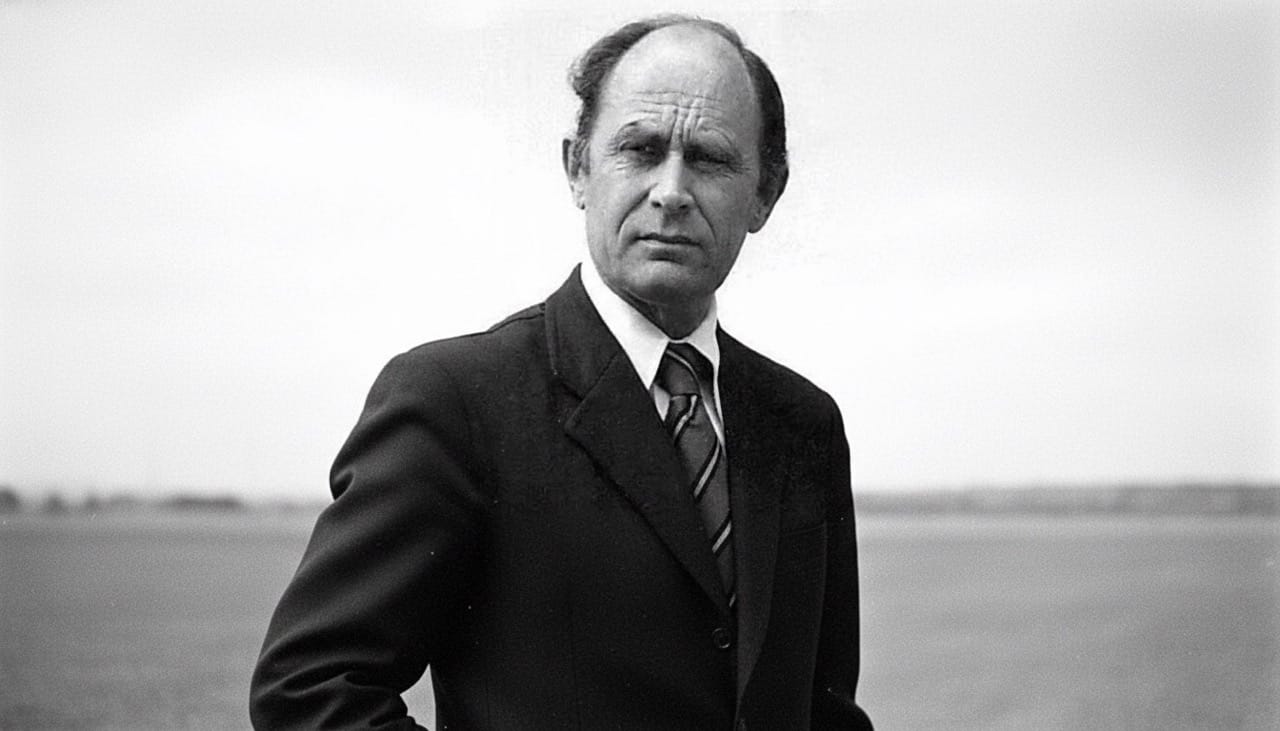
Did Western capitalists secretly fund the Russian Revolution? Uncover the suppressed evidence.

Are social media algorithms engineering a new era of thoughtless conformity?

How do oppressive regimes psychologically manipulate the masses?
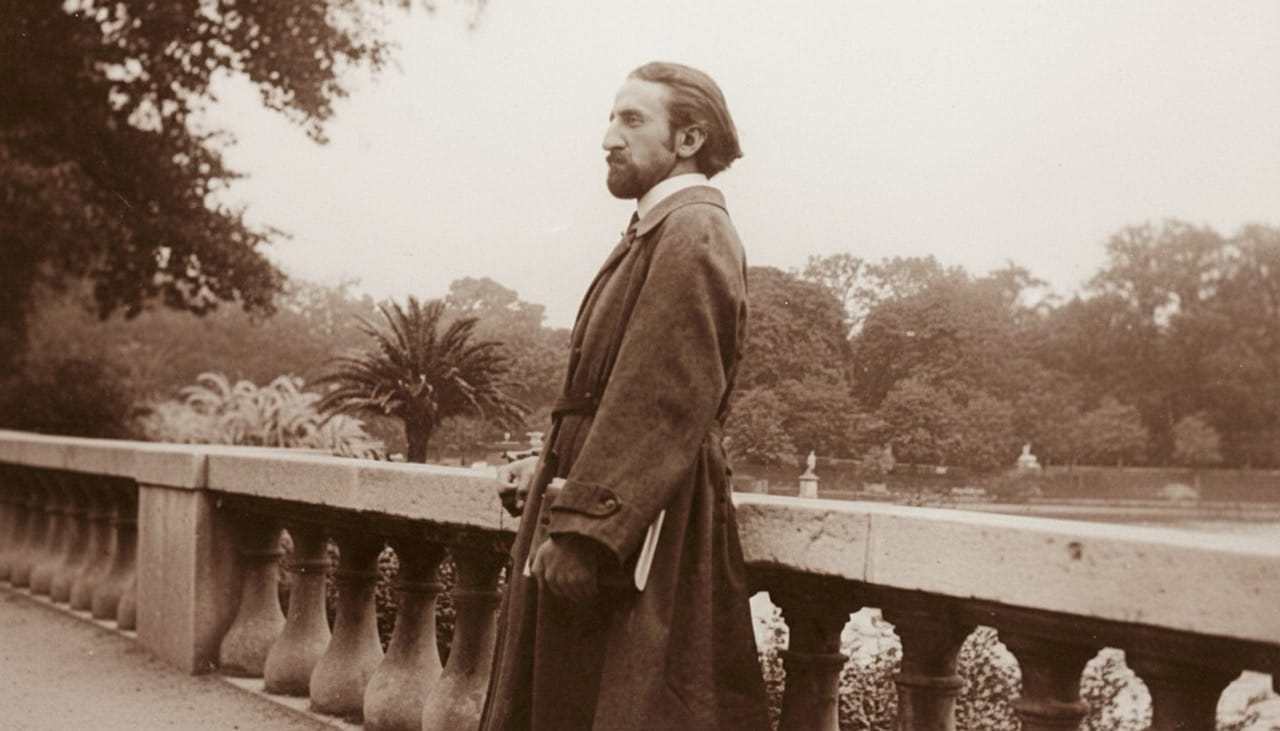
Beyond the veil of dogma: How Frithjof Schuon's Perennial Philosophy reconciles the world's faiths at their highest transcendent summit.
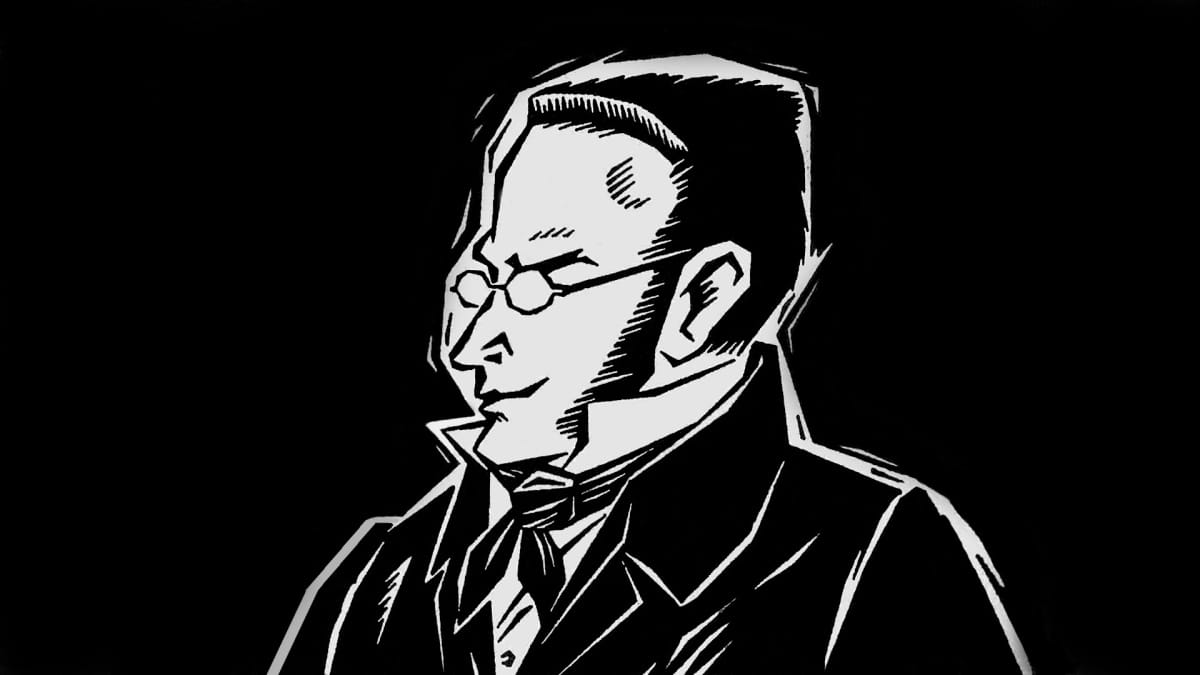
Discover how Max Stirner’s philosophy dismantles digital collectivism and algorithmic spooks to reclaim the unique self.
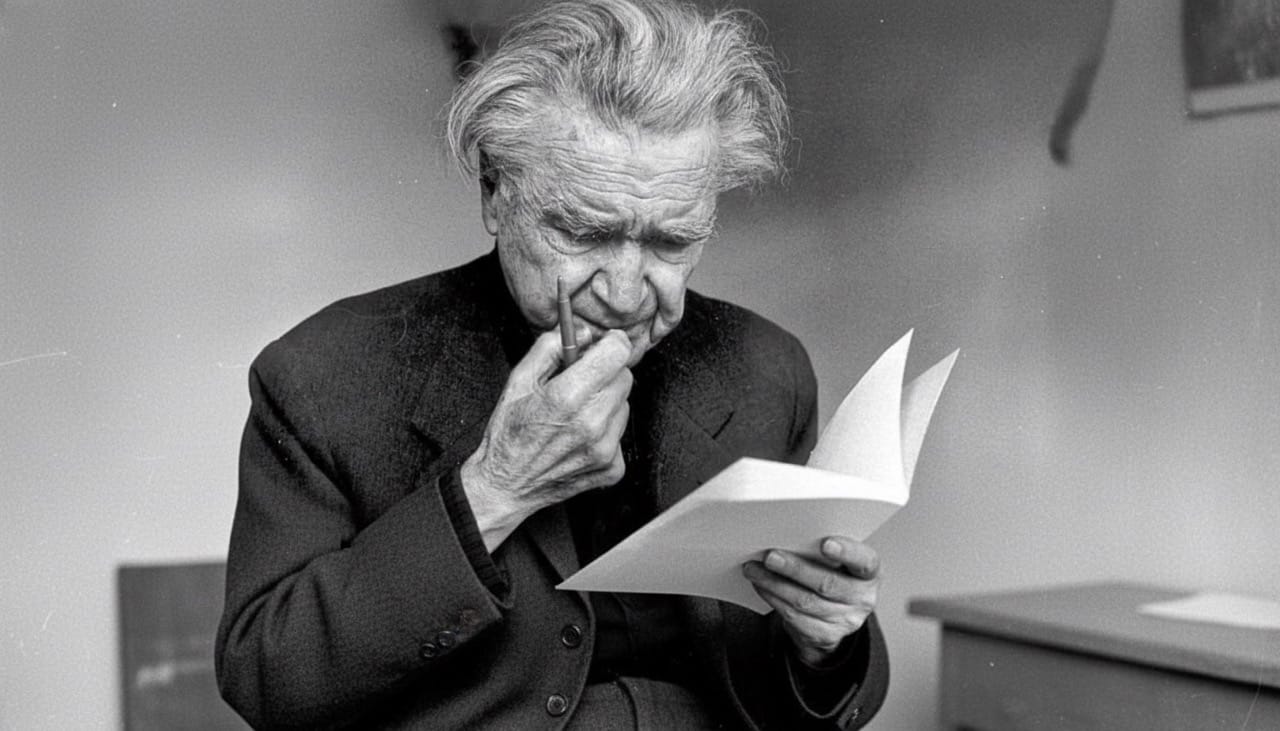
Why the darkest philosophy of the 20th century is the ultimate antidote to modern anxiety.

How ancestral kinship matrices and family structures secretly predetermine global political ideologies.

Did one 8,000-word diplomatic message ignite the Cold War?
Are we truly running out of resources, or did the 1968 doomsayers get it wrong?

How do art and political disagreement shape a truly equal society?

Why does everything in modern society feel so temporary and unstable?
Are our daily comforts and endless digital distractions actually a hidden cage?
Are your emotions secretly sabotaging your best decisions?
Discover how Max Stirner’s philosophy dismantles digital collectivism and algorithmic spooks to reclaim the unique self.
The Experience Machine is a hypothetical device described by philosopher Robert Nozick that can stimulate any desired conscious experience, used to test whether subjective pleasure is the only thing of intrinsic value.
People choose not to plug into the Experience Machine because they value actual achievement, authentic personal identity, and direct contact with objective reality over mere subjective sensations of pleasure.
While both the absolute and egalitarian nuclear families promote individual liberty by having children establish independent households, they differ on equality: the absolute nuclear family allows unequal inheritance, fostering individualism, while the egalitarian nuclear family mandates equal inher
The stem family, also known as the authoritarian family, is a system where one married child remains in the parental home to inherit and maintain the family estate, while other siblings must leave, fostering values of authority and inequality.
Mereological essentialism is the philosophical theory that an object's identity is strictly dependent on its parts, meaning that if any part of an object is changed, lost, or replaced, the original object ceases to exist and a new one is formed.
Spatio-temporal continuity is the principle that an object maintains its identity over time if it traces a continuous, unbroken path through space and time, even if its physical components are gradually replaced.
While the Ship of Theseus paradox asks whether an object remains the same when its parts are gradually replaced, Heraclitus' River paradox ("you cannot step into the same river twice") argues that constant change prevents anything from maintaining a static identity.
According to Emmanuel Todd, communism took root in Russia and China because their traditional 'community family' structure predisposed these societies to value both absolute authority and radical equality, which are the core tenets of communist ideology.
The Ship of Theseus paradox is a philosophical thought experiment about identity over time, asking whether an object that has had all of its components replaced remains the same object, or if a new entity has been created.
Our curated paths through the history of thought. These modules represent the intellectual foundations of the Digital Archive.
Gain Full Access arrow_right_altFull access to every masterclass, investigation, and private audio briefing — a structured library of ideas that survive outside the algorithmic consensus.
Secure checkout · Cancel anytime
Press Enter for deep search · Esc to close