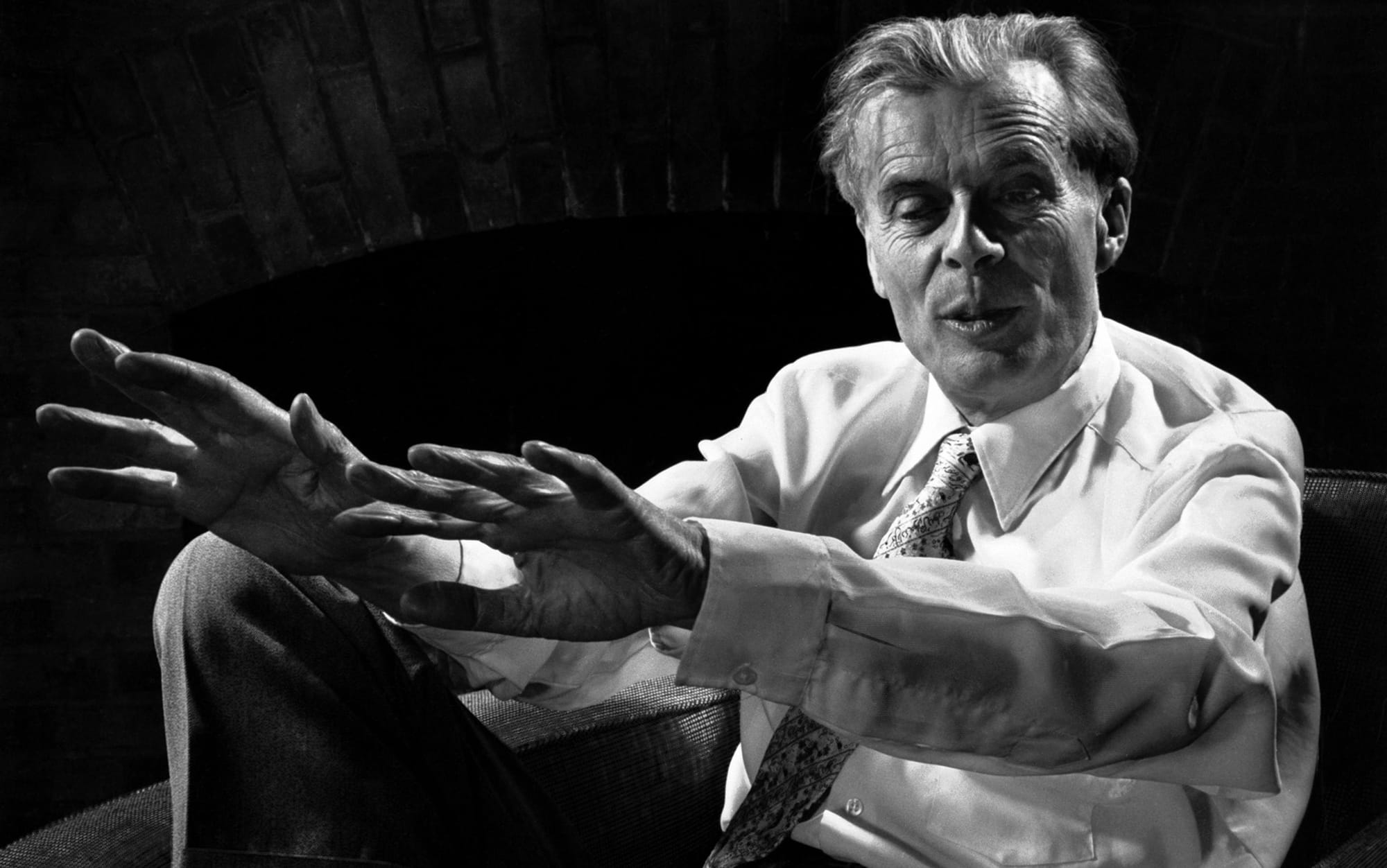
Imagine a prison where the inmates have no desire to escape because they are too thoroughly entertained to realize they are confined. Nearly a century ago, this was the exact future Aldous Huxley warned us about in his prophetic masterpiece, Brave New World.
While much of the 20th century was spent fearing the brute-force oppression depicted by George Orwell, Huxley presented a far more insidious psychological prophecy. He did not fear that society would be controlled by pain, censorship, or a totalitarian dictator. Instead, he feared a world ruined by what it loves—a society that willingly trades its fundamental freedoms for an endless stream of trivial pleasures.
The Painless Concentration Camp
To understand the genius of Huxley’s warning, we must look at the way modern societies operate. Orwell feared those who would ban books; Huxley feared a society where no one would even want to read one, simply because they were too distracted by shallow amusement.
In Huxley’s vision, populations are controlled not through violent coercion, but through engineered consent. By providing an uninterrupted supply of comfort, distraction, and a metaphorical drug called "Soma," the ruling class creates a "painless concentration camp." Citizens happily accept their servitude because their immediate desires are constantly met. They are conditioned to avoid struggle, discomfort, and deep emotional resonance, replacing them with superficial gratification.
The Modern Soma and the Digital Age
When we look at our contemporary landscape, Huxley’s dystopia feels less like fiction and more like a documentary. We are surrounded by our own versions of Soma: algorithms designed to keep our eyes glued to screens, endless feeds of bite-sized entertainment, and a culture that prioritizes immediate convenience over long-term meaning.
This environment of extreme "safetyism" and risk-aversion trains us to flee from even the slightest hint of boredom or anxiety. However, eliminating friction from our lives comes at a profound cost. When we numb our negative emotions, we also flatten our capacity for joy, passion, and genuine connection. We become compliant, passive consumers rather than active creators of our own destinies.
Demanding the Right to Be Unhappy
The central philosophical conflict of Huxley’s world is brought to life through the character of John the Savage. Thrust into this sterile, perfectly comfortable utopia, John recognizes the underlying emptiness of a pain-free existence. In one of the most powerful moments in modern literature, he rejects the synthetic happiness offered to him, famously claiming "the right to be unhappy."
But why would anyone actively choose suffering? John’s realization is that without struggle, there is no art, no genuine freedom, and no heroism. The things that give human life its deepest meaning—love, creation, overcoming adversity—are inherently tied to risk and discomfort. To eradicate pain is to eradicate our humanity.
Huxley’s insights challenge us to hold a mirror up to our daily lives. They force us to ask difficult questions about the silent, comfortable surrenders we make every single day. True freedom might just require us to step out of the comfortable cage, reject the endless distractions, and reclaim our right to experience the full, unfiltered spectrum of human existence.
Ready to unpack the timeless philosophy of Aldous Huxley and uncover the invisible chains of modern society?
Join "PhiloCrux" community.
Unlock high-density masterclasses and investigations into ideas surviving outside the algorithmic consensus. Support independent thought and get full access to our digital library.
Join Now