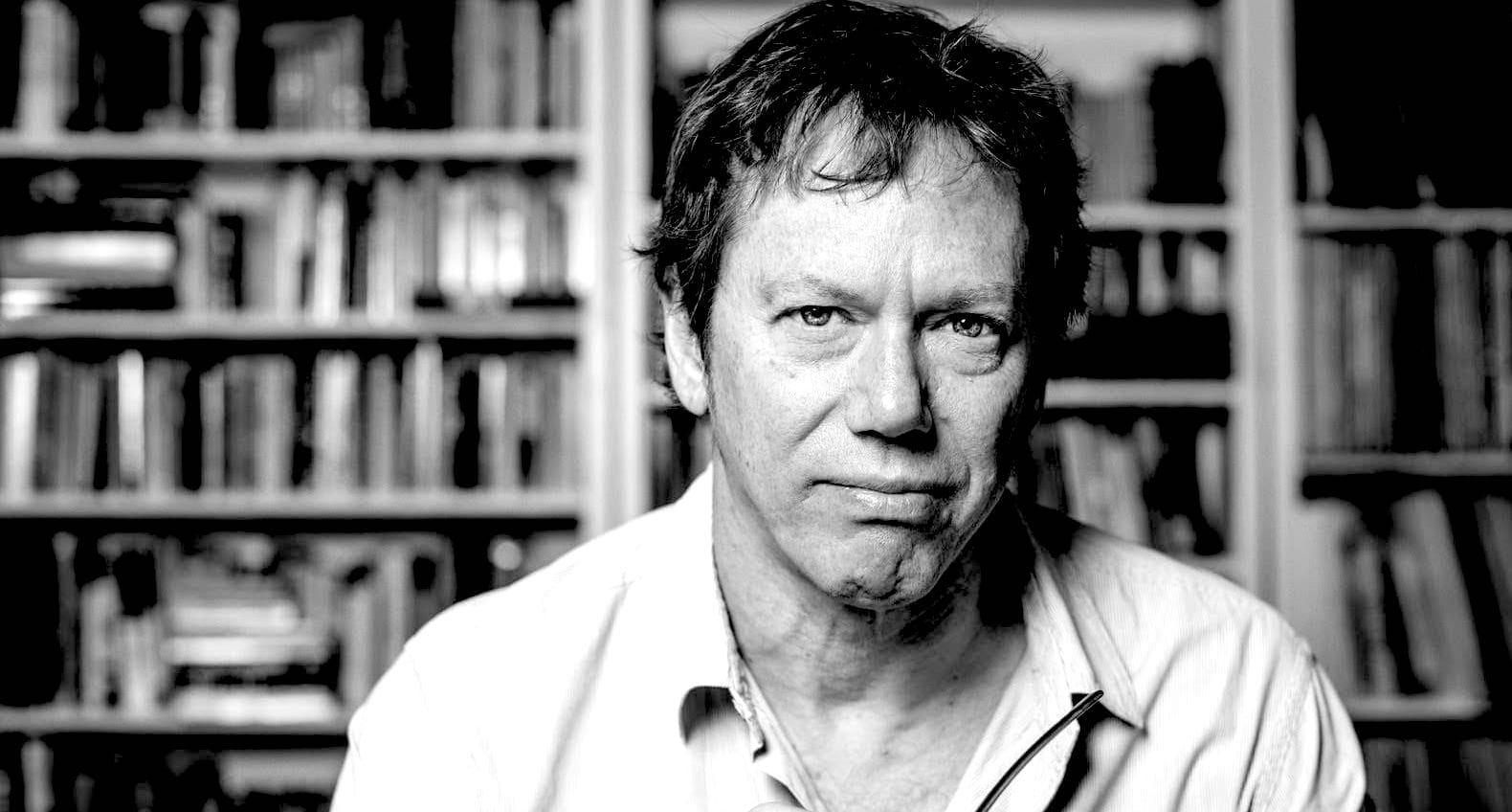
We like to believe that our choices are the product of careful deliberation and sound logic. We weigh the pros and cons, objectively assess our circumstances, and make the best possible decisions. Or so we think. The uncomfortable reality, as explored in Robert Greene’s profound insights on human behavior, is that we are fundamentally irrational creatures. Often, our emotions quietly sabotage our best intentions, steering our lives from the shadows while logic merely plays catch-up to justify our actions.
The Myth of the Rational Mind
From the boardroom to our personal relationships, we operate under the assumption that reason is at the steering wheel. However, beneath the surface of our conscious awareness, a complex web of cognitive biases influences how we perceive the world. Confirmation bias pushes us to seek out information that validates our existing beliefs, while deep-seated emotional attachments distort our objective judgment.
Understanding this discrepancy is the first vital step toward reclaiming agency over your life. Until we acknowledge our inherent irrationality and the unseen mental scripts guiding our behavior, we remain completely vulnerable to their unpredictable currents.
Breaking the Illusion of Control
One of the most dangerous traps of the human mind is the illusion of control. We frequently confuse our emotional reactions with active problem-solving. When faced with adversity, stress, or conflict, the primitive parts of our brain tend to take over, triggering defensive mechanisms that cloud our judgment.
Greene’s deep dive into the laws of human nature reveals that true power does not come from attempting to control external, uncontrollable circumstances. Instead, it comes from mastering our internal responses to them. Recognizing the hidden forces that shape our decisions allows us to pause, detach, and respond purposefully rather than merely reacting on instinct.
The Power of Framing and Self-Mastery
Overcoming your own irrationality requires more than just willpower; it requires a systematic and deliberate shift in how you frame your reality. By altering the lens through which you view challenges, you can neutralize negative emotions before they hijack your behavior. This involves a disciplined practice of stepping outside yourself—learning to observe your thoughts and feelings as a detached, objective bystander.
The journey toward cultivating this profound self-awareness equips you with the strategic clarity needed to make smarter, long-term choices. When you begin to decode the laws governing your own nature, you no longer act as a hostage to fleeting moods or cognitive blind spots. Instead, you unlock a deeper level of potential, transforming emotional volatility into grounded, rational wisdom.
Ready to break free from your cognitive biases and master the hidden forces shaping your life?
Join "PhiloCrux" community.
Unlock high-density masterclasses and investigations into ideas surviving outside the algorithmic consensus. Support independent thought and get full access to our digital library.
Join Now