
Hannah Arendt and the Banality of Evil Online
Are social media algorithms engineering a new era of thoughtless conformity?
May 23, 2026
5 min read
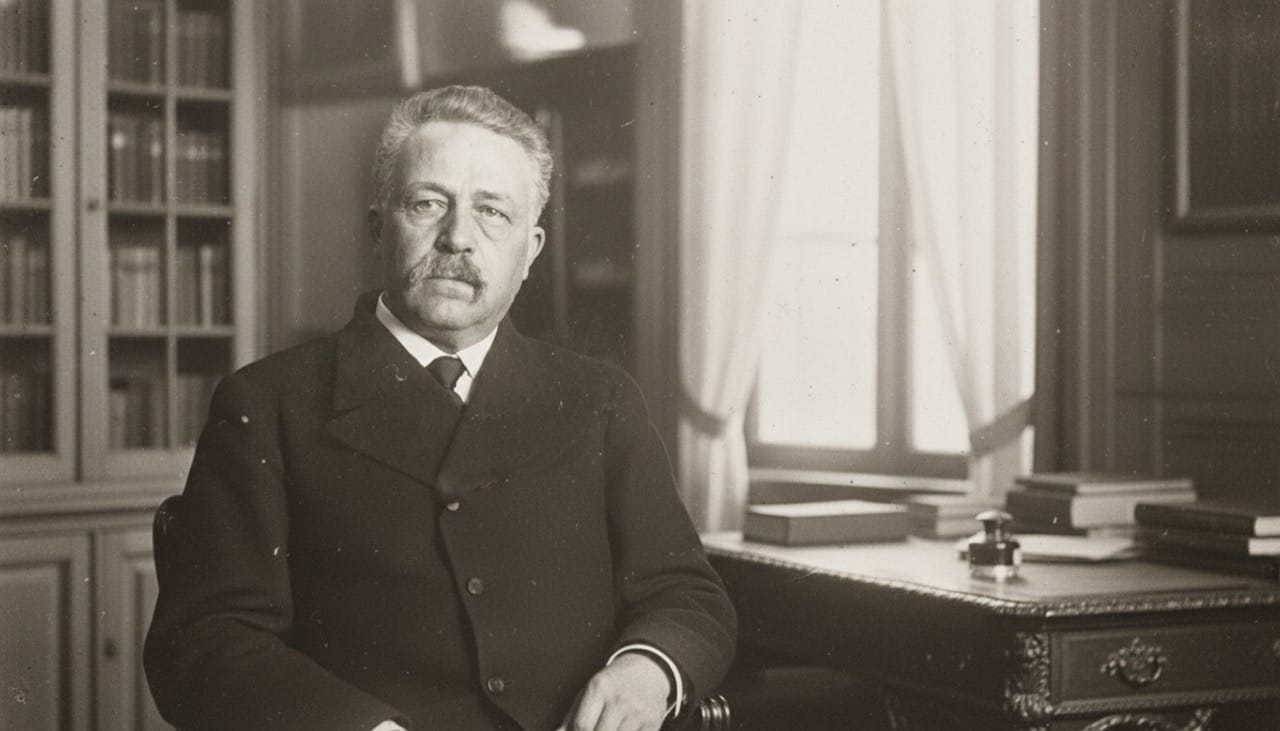
Why the minority always rules the majority—and the noble lies that make us accept it.

How a 1967 philosophical bombshell destroyed the illusion of absolute truth and liberated meaning.
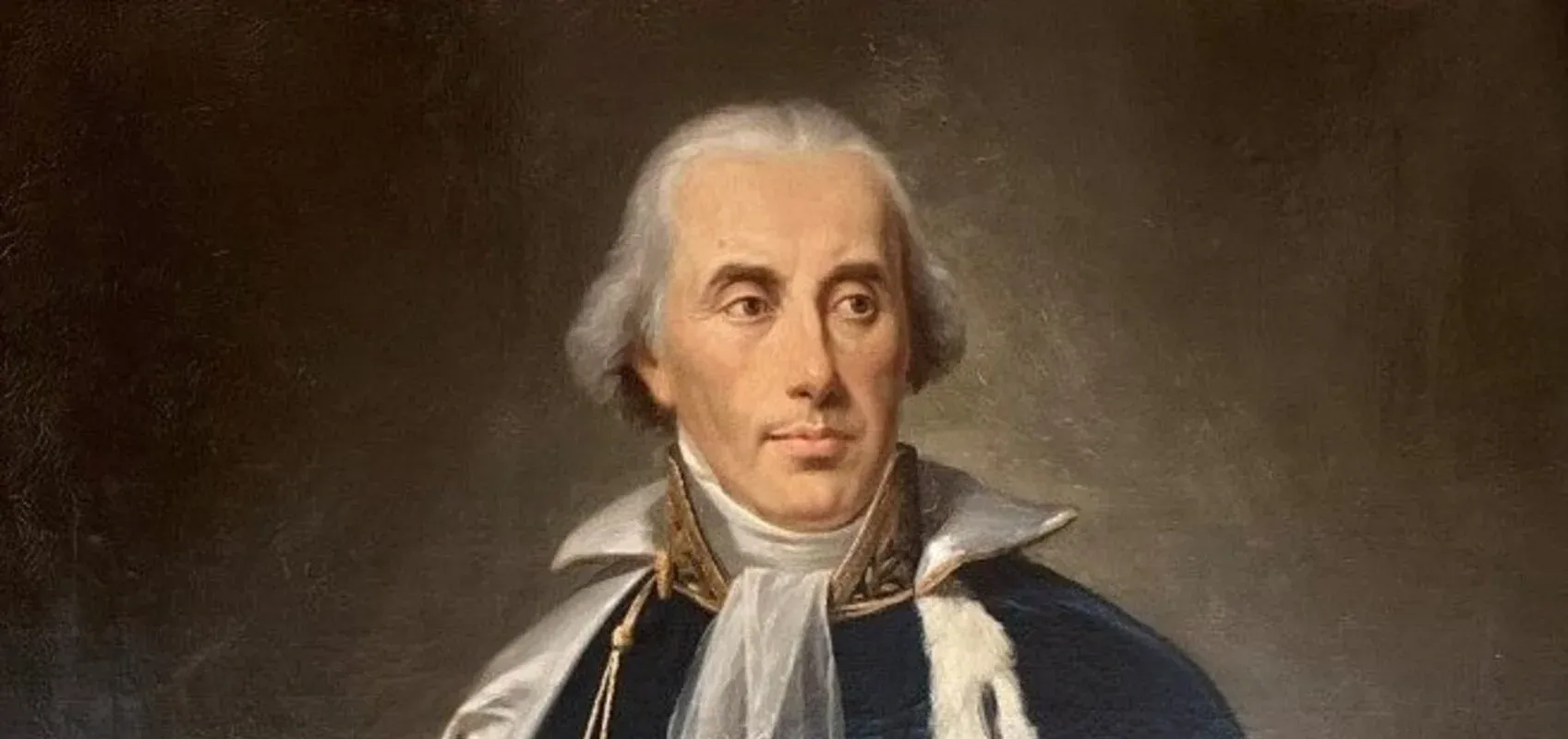
The forgotten architect of French Traditionalism who proved the "autonomous individual" is a lie.

When the simulation becomes more real than reality itself. A deep dive into Baudrillard's masterpiece.
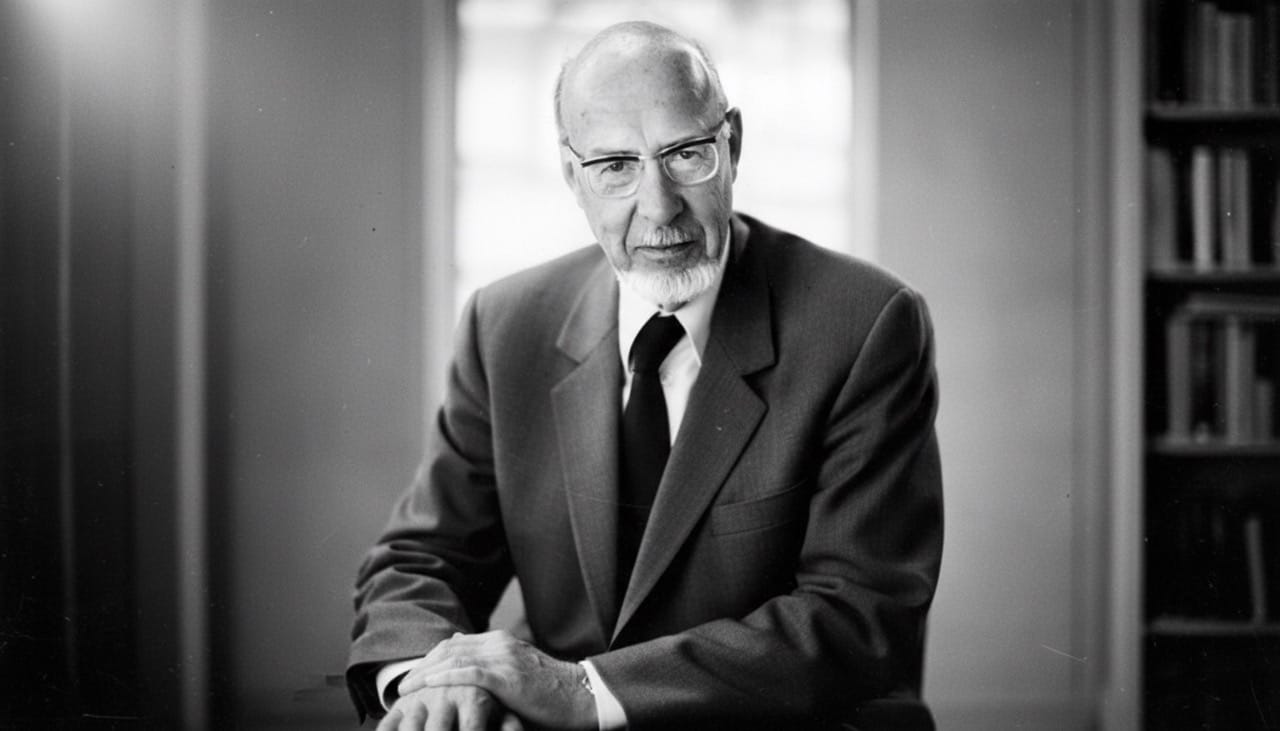
How the Renaissance shattered our cosmic grammar, and why forging a "New Symbolism" is our only way out of the modern wasteland.

Is a Universal Basic Dividend the only way to survive the AI revolution?
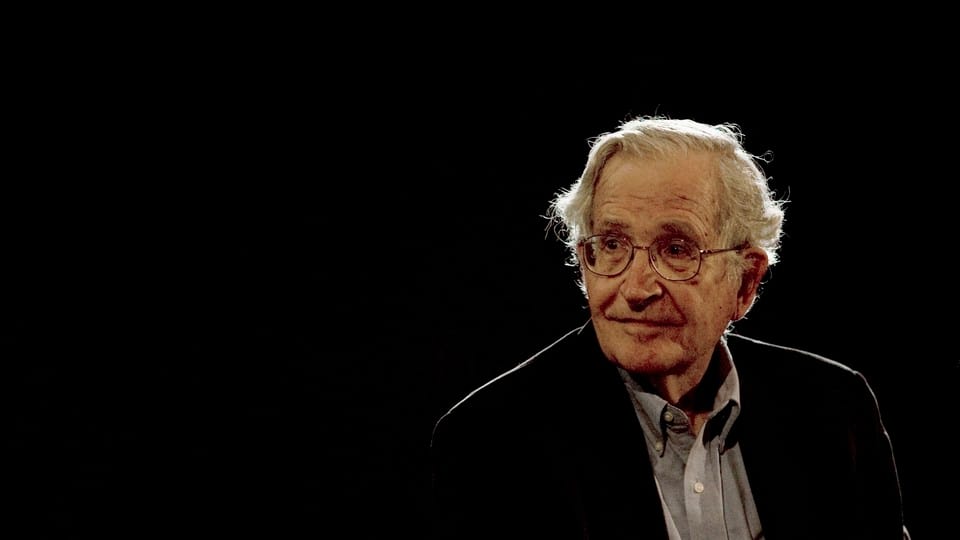
Does possessing knowledge come with a moral obligation to rebel against power?
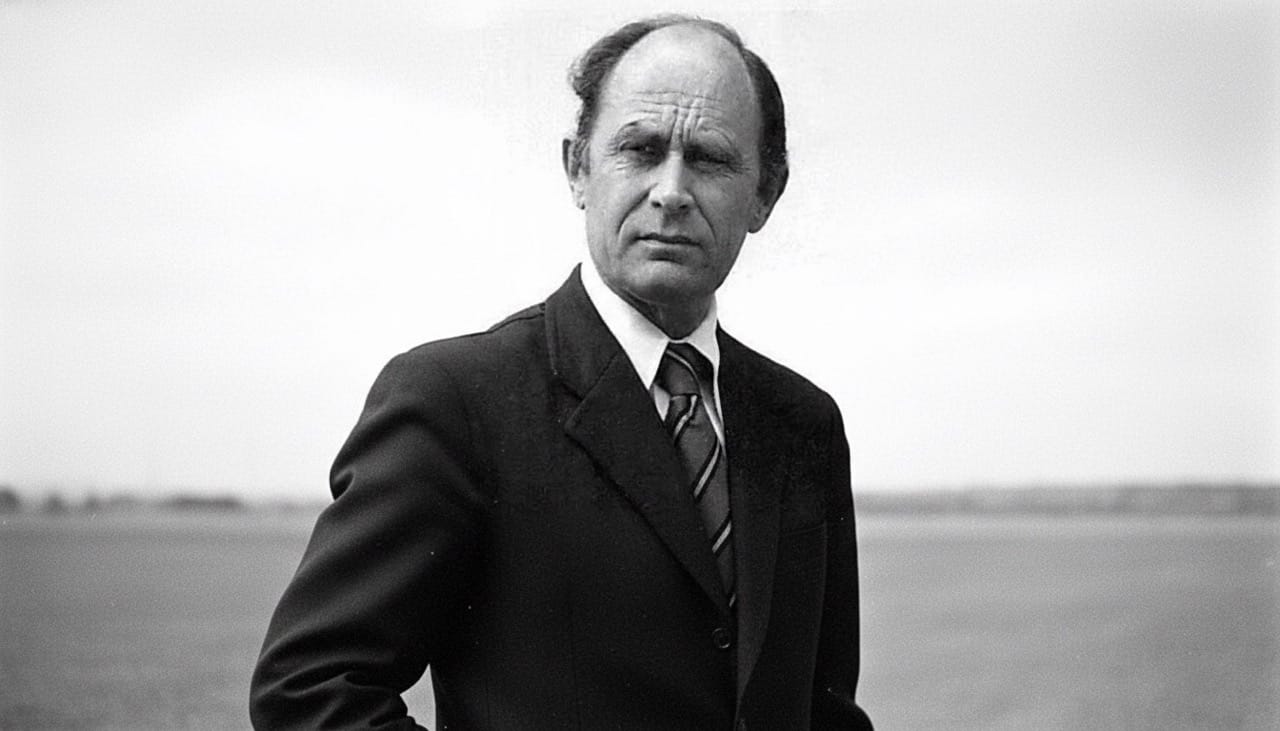
Did Western capitalists secretly fund the Russian Revolution? Uncover the suppressed evidence.

Are social media algorithms engineering a new era of thoughtless conformity?

How do oppressive regimes psychologically manipulate the masses?
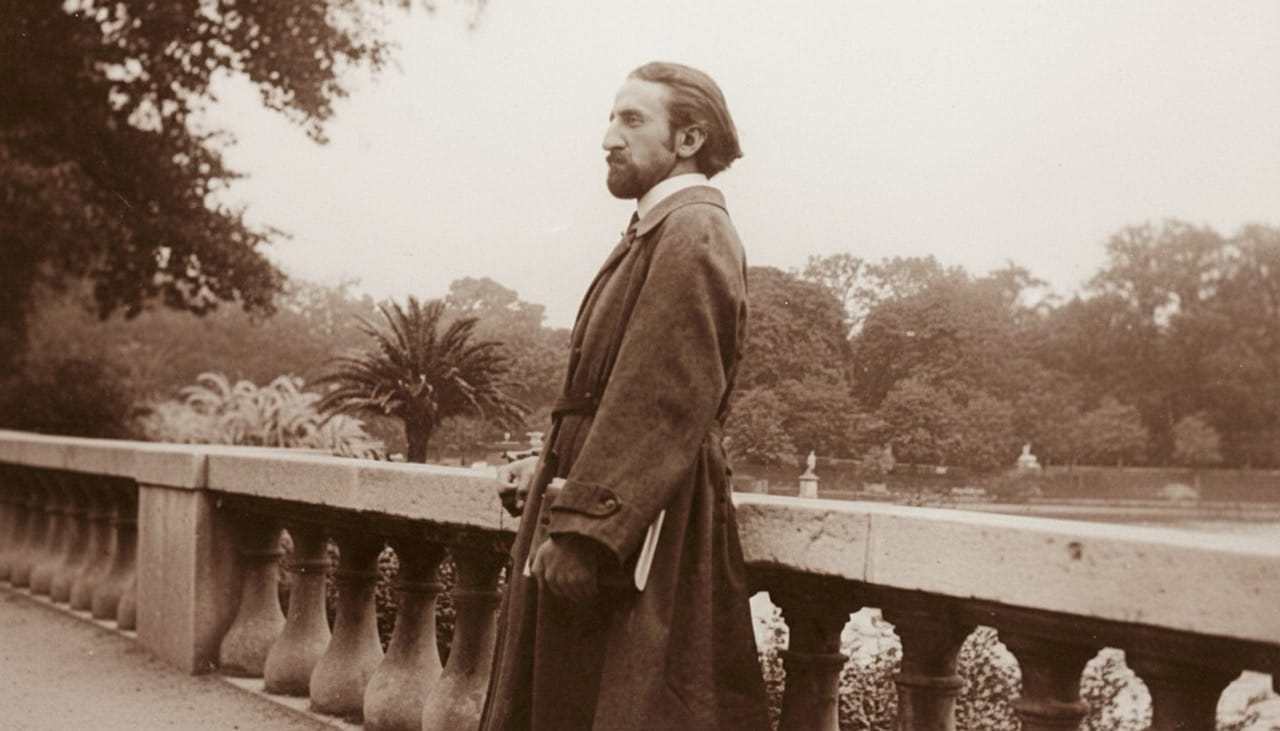
Beyond the veil of dogma: How Frithjof Schuon's Perennial Philosophy reconciles the world's faiths at their highest transcendent summit.
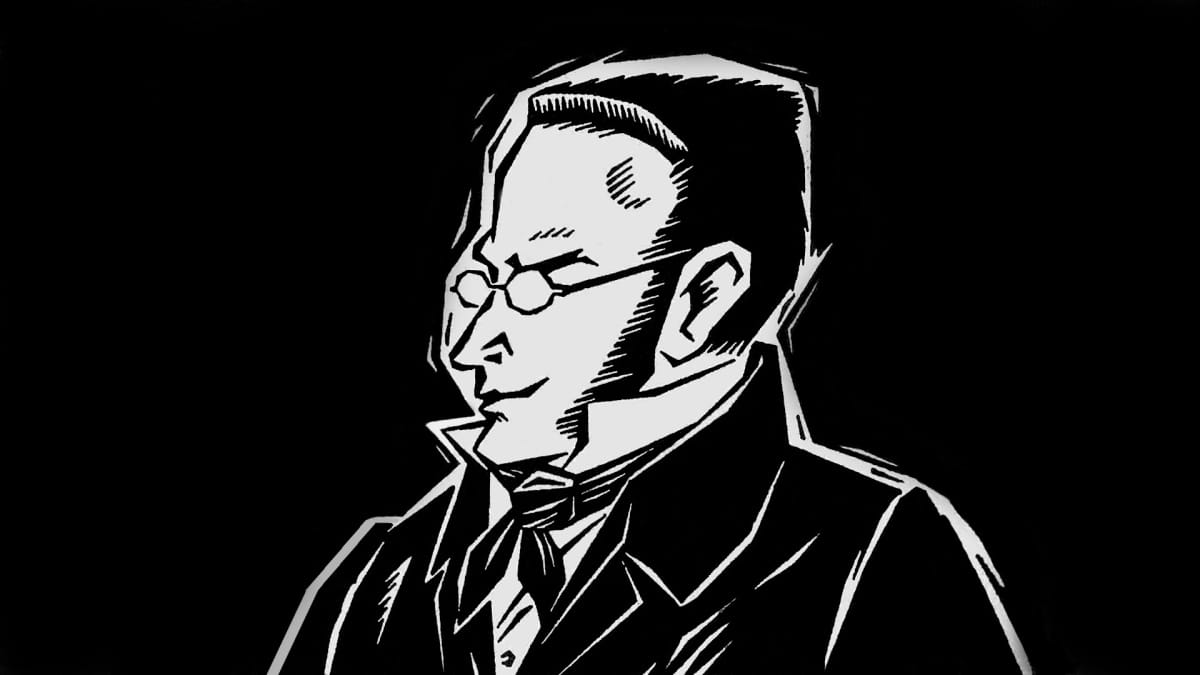
Discover how Max Stirner’s philosophy dismantles digital collectivism and algorithmic spooks to reclaim the unique self.

Why the darkest philosophy of the 20th century is the ultimate antidote to modern anxiety.

How ancestral kinship matrices and family structures secretly predetermine global political ideologies.
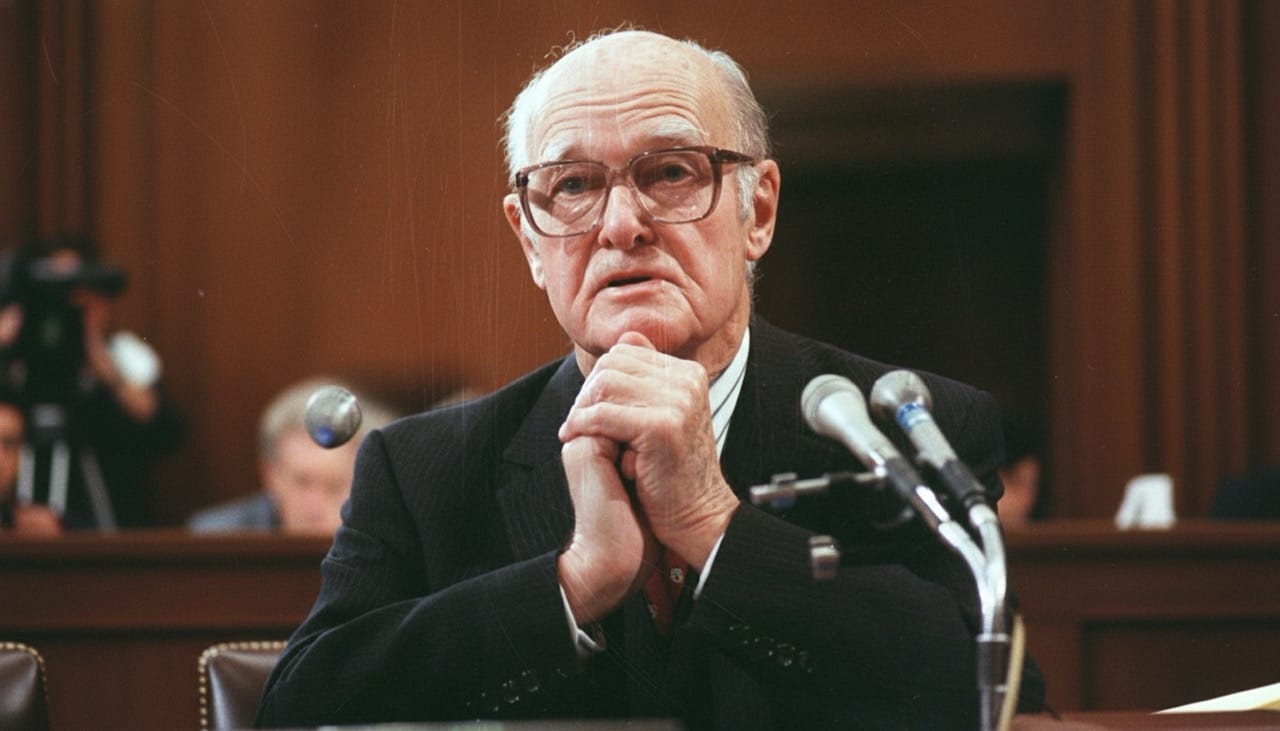
Did one 8,000-word diplomatic message ignite the Cold War?
Are we truly running out of resources, or did the 1968 doomsayers get it wrong?

How do art and political disagreement shape a truly equal society?

Why does everything in modern society feel so temporary and unstable?

Are our daily comforts and endless digital distractions actually a hidden cage?
Are your emotions secretly sabotaging your best decisions?
Are social media algorithms engineering a new era of thoughtless conformity?

How do oppressive regimes psychologically manipulate the masses?
Beyond the veil of dogma: How Frithjof Schuon's Perennial Philosophy reconciles the world's faiths at their highest transcendent summit.
Robert Nozick’s Wilt Chamberlain thought experiment, presented in his 1974 work *Anarchy, State, and Utopia*, serves as a foundational libertarian critique of egalitarian and patterned theories of distributive justice. It argues that "liberty upsets patterns," showing that any attempt to m
Total utilitarianism leads to the Repugnant Conclusion because it defines moral goodness as the sum total of happiness, regardless of how thinly that happiness is distributed. Consequently, any reduction in individual quality of life can be mathematically offset by adding more lives, provi
Nietzsche’s critique of modernity culminates in the figure of the Last Man, a prophetic warning that a society organized solely around utility, safety, and the eradication of suffering will inevitably destroy the creative friction necessary for human greatness, leaving behind a barren, hom
The Last Man (German: der letzte Mensch) is Friedrich Nietzsche's prophetic archetype of the modern individual who has traded existential depth, creative struggle, and the pursuit of greatness for absolute physical security, predictable comfort, and homogenized social conformity.
The difference between patterned and historical principles of justice lies in how they evaluate the fairness of a distribution: patterned principles judge a distribution by its structural shape at a given moment (e.g., whether it is equal), whereas historical principles judge it solely by
A philosophical zombie is a theoretical construct used in the philosophy of mind to demonstrate that physical facts alone do not logically entail or explain the existence of subjective conscious experience (qualia).
The Mere Addition Paradox is the multi-step logical argument used by Derek Parfit to prove the Repugnant Conclusion. It shows that adding a group of people with lives worth living to a population (without affecting the original group) must make the world better or at least no worse, yet a
Our curated paths through the history of thought. These modules represent the intellectual foundations of the Digital Archive.
Gain Full Access arrow_right_altFull access to every masterclass, investigation, and private audio briefing — a structured library of ideas that survive outside the algorithmic consensus.
Secure checkout · Cancel anytime
Press Enter for deep search · Esc to close