History rarely repeats itself exactly, but it often rhymes. As we observe the modern geopolitical landscape—marked by shifting global powers, deep economic anxieties, and a disturbing resurgence of political polarization—it is difficult not to feel a sense of historical déjà vu. Are the foundations of our current society as stable as we believe, or are we sleepwalking toward a societal precipice?
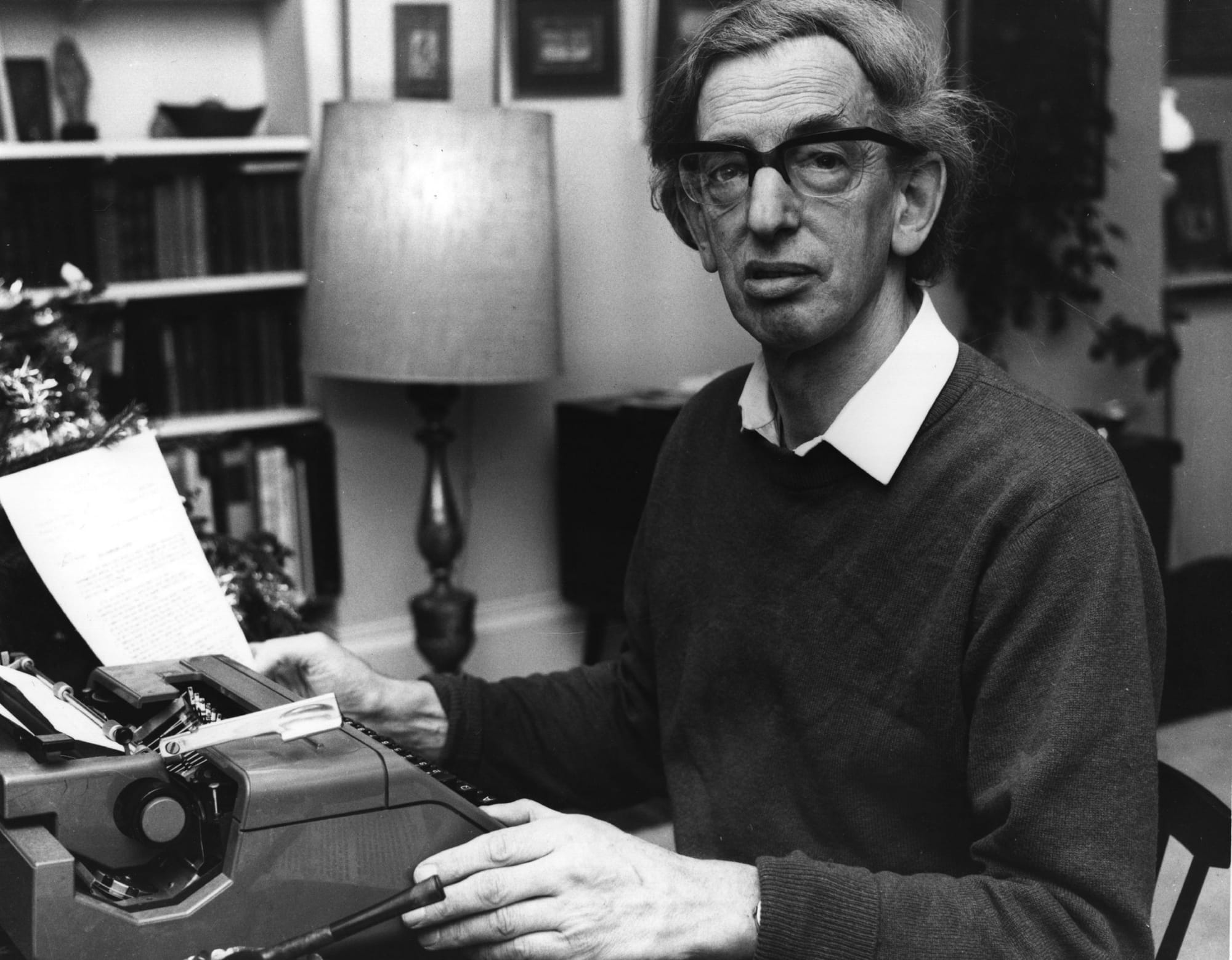
To understand the trajectory of our modern world, we must look to those who chronicled the turbulence of the past. Few historians have captured the volatile nature of modern civilization quite like Eric Hobsbawm. In his seminal work, The Age of Extremes: A History of the World, 1914-1991, Hobsbawm offers a profound, and at times chilling, analysis of the forces that drove humanity to the brink of destruction and back again.
The Architecture of the "Short Twentieth Century"
Hobsbawm conceptualized the period between the outbreak of World War I and the collapse of the Soviet Union as the "short twentieth century." This era was defined by unprecedented ideological conflict, rapid technological acceleration, and the total mobilization of societies.
During this compressed timeline, the world witnessed the catastrophic collapse of 19th-century imperial civilization. It was an era where utopian visions repeatedly collided with reality, giving rise to radical ideologies like fascism and communism. Hobsbawm meticulously dissects how economic devastation and social despair created fertile ground for these extremes, leading to conflicts of unimaginable scale.
The Fragility of the "Golden Age"
One of the most compelling aspects of Hobsbawm's analysis is his exploration of the post-WWII "Golden Age"—a period characterized by massive economic growth, the expansion of the welfare state, and a temporary illusion of permanent stability. Yet, Hobsbawm warns us against taking this stability for granted.
He notes how rapidly the Golden Age transitioned into the "Crisis Decades" of the late 20th century. As the economic engine began to stall, the social cohesion built during times of prosperity quickly fractured. This transition serves as a vital case study in how quickly democratic norms and institutional trust can erode when the economic promises made to the working and middle classes are broken.
Striking Parallels: Are We Sleepwalking Into Another Crisis?
The true value of Hobsbawm’s work lies not just in its historical accounting, but in its urgent relevance to the 21st century. The underlying conditions that fueled the Age of Extremes are visibly re-emerging today.
We are currently navigating the unintended consequences of rapid globalization, staggering wealth inequality, and a renewed surge of nationalism. As political center-grounds hollow out across the globe, populations are once again being drawn toward the allure of absolutist, extremist ideologies. Hobsbawm’s analysis forces us to ask a deeply uncomfortable question: Are we inadvertently rebuilding the very same powder kegs that detonated a century ago?
The Antidote of Historical Awareness
Engaging with the complexities of our world requires more than simply reacting to the daily news cycle; it requires a deep, structural understanding of how societies unravel. The dangers of utopian thinking and the fragility of social cohesion are not relics of the past—they are active dynamics shaping our immediate future.
To navigate an increasingly uncertain future, we must arm ourselves with historical awareness. By unpacking the mechanics of how economic crises breed political extremism, we can better identify the warning signs in our own era and take meaningful steps to protect the core values of freedom and democracy.
Join "PhiloCrux" community.
Unlock high-density masterclasses and investigations into ideas surviving outside the algorithmic consensus. Support independent thought and get full access to our digital library.