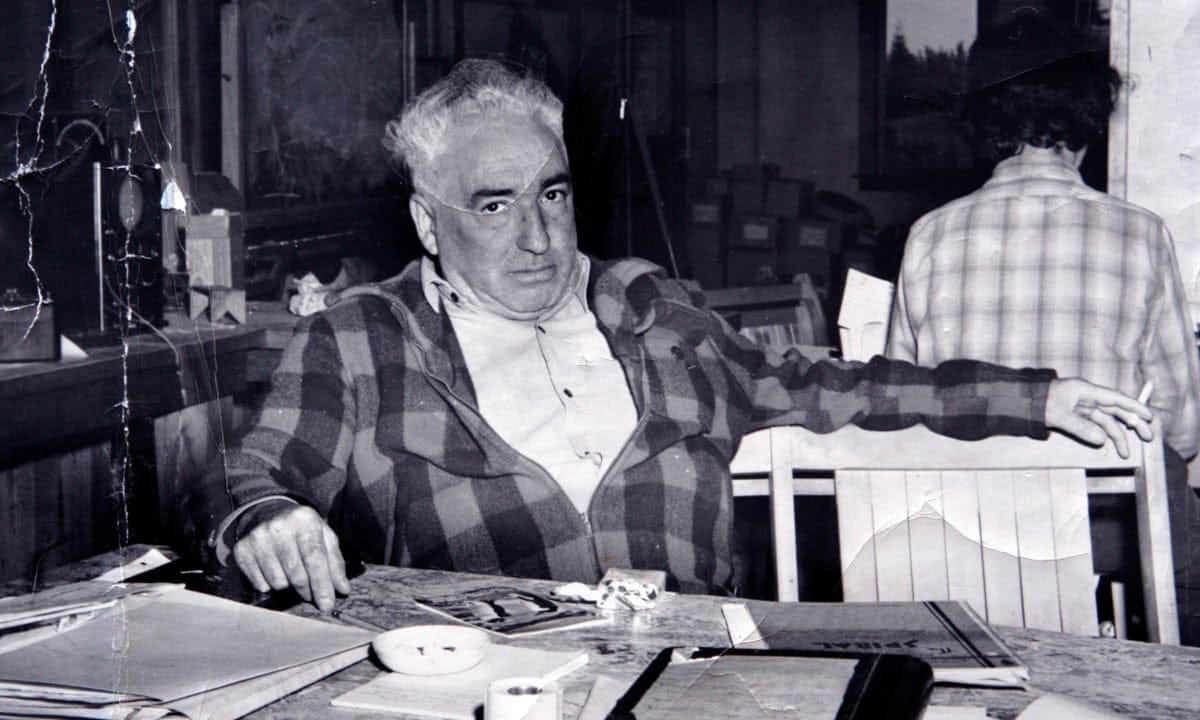
When we attempt to understand the rise of authoritarian regimes, our focus typically shifts toward economic instability, political maneuvering, or the charisma of specific leaders. However, what if the true foundation of totalitarianism is not political at all, but deeply psychological? Long before dictators take over a nation, they must first find a population psychologically primed to submit.
This uncomfortable premise lies at the heart of the controversial and radical theories developed by psychoanalyst Wilhelm Reich. A former student of Sigmund Freud, Reich dared to bridge the gap between private psychological repression and public tyranny. In his seminal work, The Mass Psychology of Fascism, he proposed that the willingness to follow a dictator is cultivated much earlier in life, originating behind the closed doors of the traditional household.
The Anatomy of Character Armor
Reich argued that the authoritarian family structure operates as the first training ground for societal obedience. Within this environment, natural human impulses—particularly sexual ones—are often strictly suppressed. Over time, this constant policing of one's own nature creates what Reich termed "character armor."
This psychological armor leaves individuals rigid, fearful of their own instincts, and desperate for external control. Because they are taught to deny their own vital energy, they look for authority figures to dictate how they should live, think, and feel. Personal freedom becomes not something to be cherished, but something terrifying that must be handed over to a higher power.
Transforming Repression Into Aggression
When natural life energy and personal desires are bottled up, they do not simply disappear. According to Reich, this repressed energy stagnates and mutates. In a society bound by strict moral policing and emotional suppression, this collective frustration becomes highly combustible.
Authoritarian movements expertly tap into this reservoir of repressed energy. They provide an outlet for the anxiety and internal conflict generated by character armor, channeling it into irrational nationalistic fervor, aggressive mass movements, and the persecution of scapegoats. Fascism, in Reich’s view, thrives because it offers a psychological release valve for a deeply repressed population. Controlling personal freedom and sexuality is, therefore, the essential first step toward mass societal control.
A Dangerous Mind in Dangerous Times
Reich’s theories were not just provocative; they were viewed as profoundly dangerous by the very authorities he critiqued. His life was as turbulent as the ideas he championed. After breaking away from the mainstream Freudian establishment, Reich became an intellectual outcast. His books were famously burned by authoritarian regimes in Europe, forcing him to flee. Tragically, his persecution did not end when he reached the United States, where his continuing work on political psychology and unconventional scientific theories ultimately led to his imprisonment and death.
Yet, his analysis of mass psychology remains a vital framework for understanding the human condition under duress. By examining the uncomfortable link between how we manage our internal impulses and what we tolerate in our political systems, The Mass Psychology of Fascism challenges us to look inward. Understanding Reich's perspective requires us to question whether the defense against authoritarianism begins not at the ballot box, but in the reclamation of our own psychological and personal autonomy.
Want to dive deeper into Wilhelm Reich's controversial theories and explore the hidden psychological forces shaping our world?
Join "PhiloCrux" community.
Unlock high-density masterclasses and investigations into ideas surviving outside the algorithmic consensus. Support independent thought and get full access to our digital library.
Join Now