For decades, conventional psychiatry has viewed severe mental distress through a strictly clinical lens: as a biological dysfunction requiring immediate suppression and correction. But what if the symptoms we classify as "madness" are actually complex, deeply rational responses to an unbearable reality?
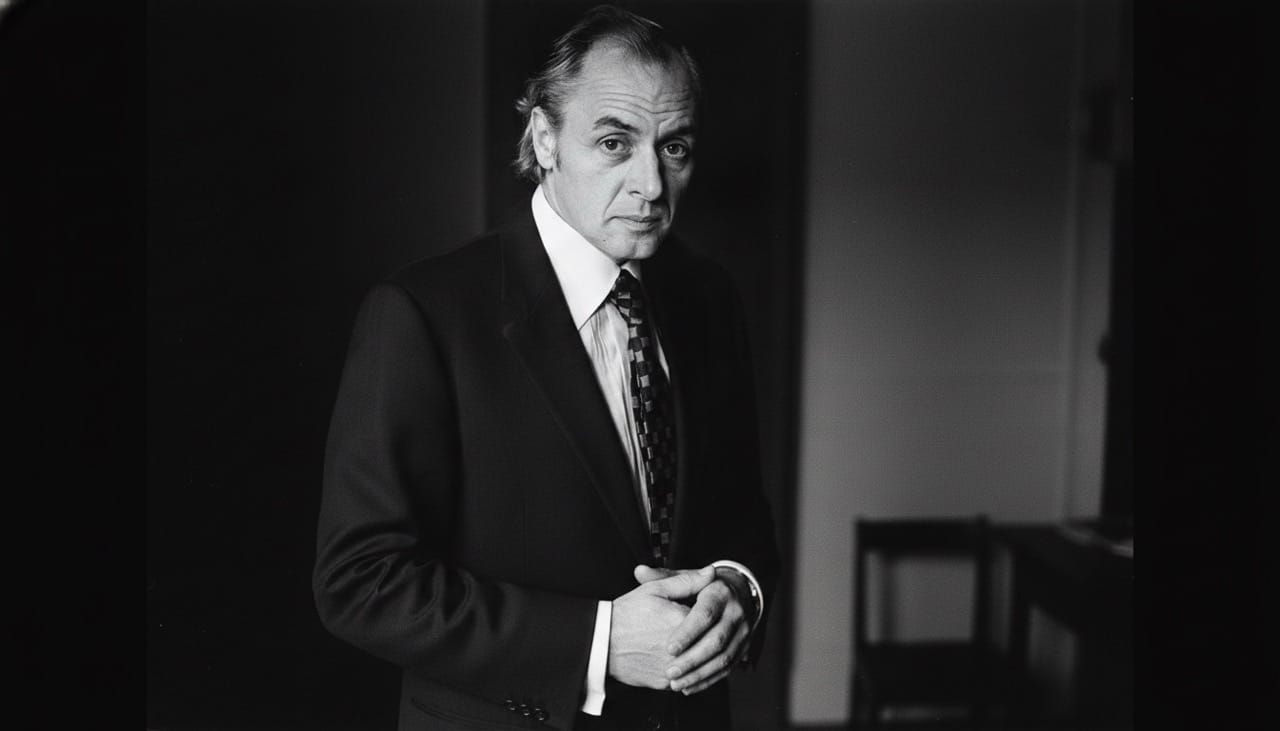
This is the radical premise introduced by the controversial psychiatrist Ronald David Laing. By challenging the very foundation of how we define mental illness, Laing forced society to look into a mirror and question the sanity of its own expectations.
The Crisis of Ontological Insecurity
At the heart of Laing’s seminal work, The Divided Self, is the concept of "ontological insecurity." Most people navigate life with a baseline sense of existing as real, whole, and continuous entities. However, Laing proposed that those suffering from deep psychological distress often lack this foundational certainty.
To protect themselves from the crushing pressures of relationships, familial demands, and societal expectations, individuals may instinctively construct a "false self." This compliant facade is designed to interact safely with the outside world, absorbing the friction of daily life while the true, vulnerable self retreats further inward to avoid annihilation.
When the Mind Fractures
Over time, this intense internal division creates an unsustainable tension. What traditional medicine might label as schizophrenia or psychosis, Laing interpreted as the mind's desperate attempt to survive an impossible psychological environment.
Rather than treating these severe manifestations merely as symptoms to be eradicated with heavy medication or institutionalization, Laing viewed them as meaningful, albeit agonizing, voyages. His perspective shifted the diagnostic focus from asking "what is physically wrong with this person's brain?" to "what is wrong with the environment that fractured this person's mind?"
A Radical Approach to Healing
This profound philosophical shift naturally demanded a completely different approach to therapeutic care. If a psychotic break was a journey of self-discovery or a retreat from an intolerable reality, then the patient needed a guide, not a warden. This led Laing to champion highly controversial experiments in communal living and alternative therapy spaces. In these environments, individuals were supported through their distress rather than locked away to suppress it.
Relevance in an Era of Burnout
Laing’s critique of psychiatry extends far beyond historical interest; it resonates powerfully in our modern era. Today, the pressure to conform, perform, and maintain a highly curated "false self" is amplified by digital culture and systemic societal stressors. We are currently facing a widespread crisis of authenticity.
Re-evaluating Laing’s theories forces us to consider the systemic, environmental factors contributing to modern psychological distress. While his anti-psychiatry views remain highly controversial, his underlying message demands empathy over clinical detachment. It challenges us to look closely at our own performances of normalcy and ask whether our collective demand to conform is, in fact, driving us apart.
Want to dive deeper into Laing's radical philosophy and explore the hidden forces shaping our minds?
Join "PhiloCrux" community.
Unlock high-density masterclasses and investigations into ideas surviving outside the algorithmic consensus. Support independent thought and get full access to our digital library.
Join Now