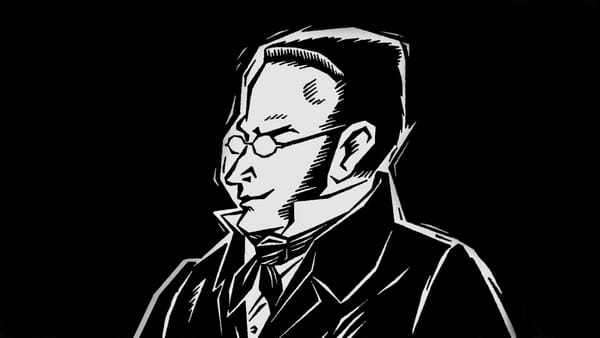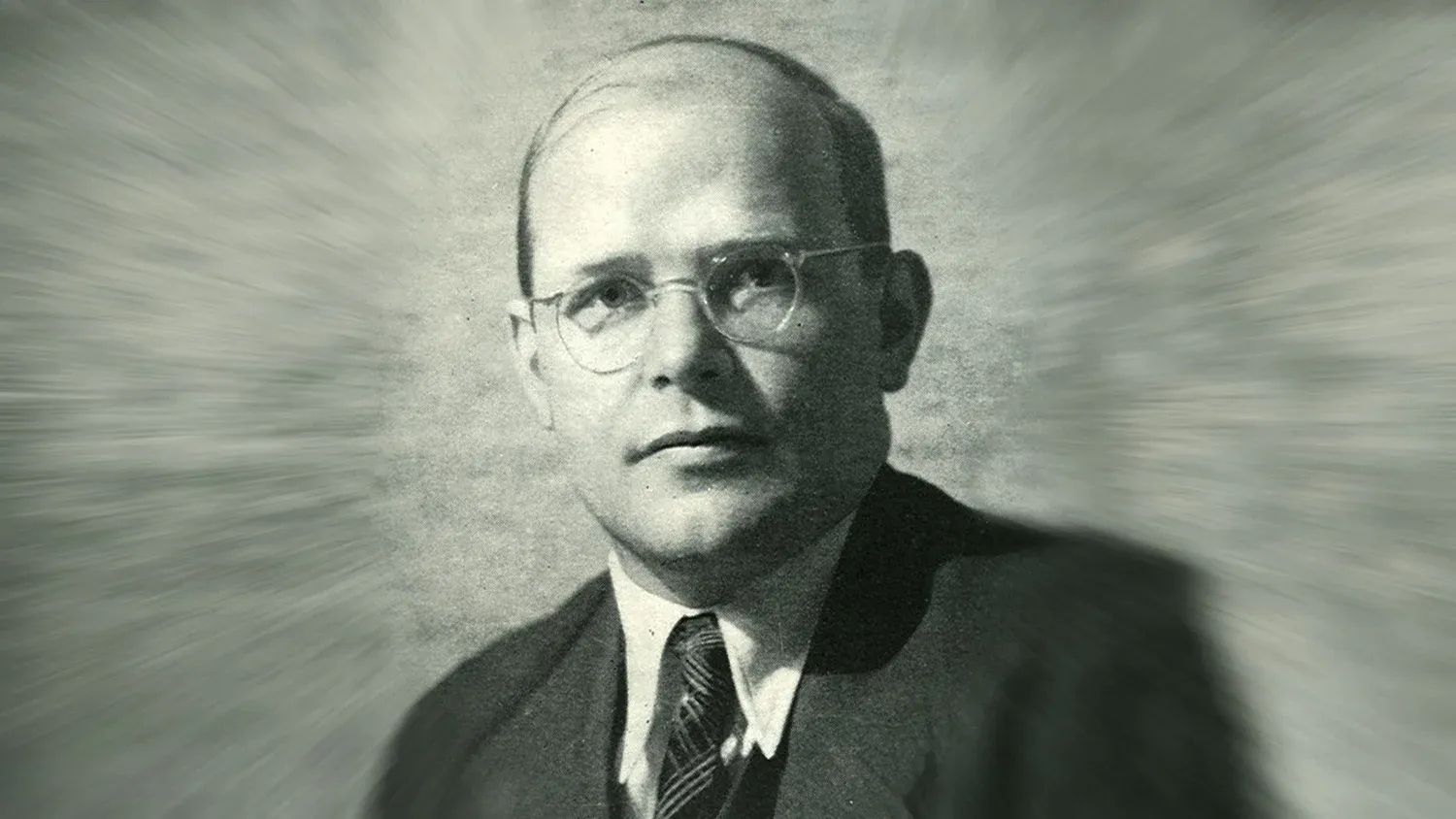
It is a common error of the modern age to equate stupidity with a lack of intellectual capacity. We imagine the stupid person as someone struggling with a low IQ or an inability to process complex data. However, in the records of PhiloCrux, we find a much darker and more nuanced diagnosis provided by Henrich Bonhoeffer. For Bonhoeffer, stupidity was not a cognitive defect but a moral failure—a psychological phenomenon that emerges when the individual surrenders their internal autonomy to the weight of the collective.
Writing from the depths of personal and political crisis, Bonhoeffer observed that stupidity is a far more dangerous enemy of the good than malice. While we can protest against evil or expose it through reason, stupidity is remarkably resilient to the friction of reality. It is an intellectual fortress that is not built on logic, and therefore, cannot be dismantled by logic.
The Distinction Between Malice and Stupidity
To understand the danger, we must first understand why the malicious person is less threatening than the stupid one. Evil always carries with it the seeds of its own destruction because it leaves people with a sense of unease. We can fight evil with force if necessary. But against stupidity, we are defenseless. Neither protests nor the use of force accomplish anything here; reasons fall on deaf ears.
Stupidity is a more dangerous enemy of the good than malice.
— Henrich Bonhoeffer
The stupid person is not someone who has lost their reason, but someone who has rendered it inactive. They have become a tool of external forces. In the face of stupidity, facts are either ignored as irrelevant or dismissed as exceptional, for the unthinking mind is impervious to the friction of reality. This internal closure makes the stupid person self-satisfied, and when pushed by evidence, they can easily become aggressive and dangerous.
The Social Pathology of the Unthinking Mind
Bonhoeffer’s investigation reveals that stupidity is essentially a social problem rather than an individual one. It is a psychological effect produced by the rise of a powerful external pressure—be it political, religious, or social. When a person is overwhelmed by the spectacle of power, they effectively give up their inner independence. They stop thinking for themselves and begin to repeat the slogans, dogmas, and consensus-driven narratives of the group.
- The Surrender of Autonomy: The individual does not become stupid in isolation; they become stupid because they want to belong to a power structure that demands total conformity.
- The Loss of the Self: As the individual adopts the collective identity, they lose the ability to distinguish between their own thoughts and the scripts provided by the authority.
- The Immunity to Fact: Because the stupidity is rooted in a desire for social safety rather than a quest for truth, presenting facts to the stupid person is a useless endeavor.
Stupidity is not a lack of intellectual capacity, but a moral surrender to the overwhelming pressure of a group or a power structure. This explains why highly educated professionals can often be the most susceptible to this pathology; their social standing is often tied to their adherence to the prevailing algorithmic consensus.
Join "PhiloCrux" community.
Unlock high-density masterclasses and investigations into ideas surviving outside the algorithmic consensus. Support independent thought and get full access to our digital library.
The Only Path to Liberation
If stupidity is not a problem of the intellect, then the solution is not more education or better information. You cannot argue someone out of a position they did not arrive at through reason. Bonhoeffer suggests that the only way to overcome stupidity is through an internal liberation—a reclamation of the individual soul from the clutches of the collective.
This liberation often requires an external shock or a total collapse of the power structure that sustained the stupidity in the first place. Until the individual is ready to face the world as a singular, independent agent, they will remain a puppet for whatever narrative is currently being broadcast by the societal machine.
The lessons from Henrich Bonhoeffer are a stark warning for the digital age, where the pressure to conform to the consensus is stronger than ever. To remain an individual is to remain vulnerable, but it is the only way to remain awake. In our full masterclass for PhiloCrux members, we explore the specific protocols for maintaining cognitive sovereignty in an age of mass-induced unthinking.