We live in an era characterized by unprecedented abundance. From the endless aisles of modern supermarkets to the infinite scroll of streaming platforms, we are surrounded by a dazzling array of choices. We are constantly told that we are the freest individuals in human history. Yet, beneath this veneer of absolute autonomy lies a persistent, unsettling feeling of entrapment. Why, amidst so much apparent liberty, do we so often feel like we are running on a treadmill we cannot escape?
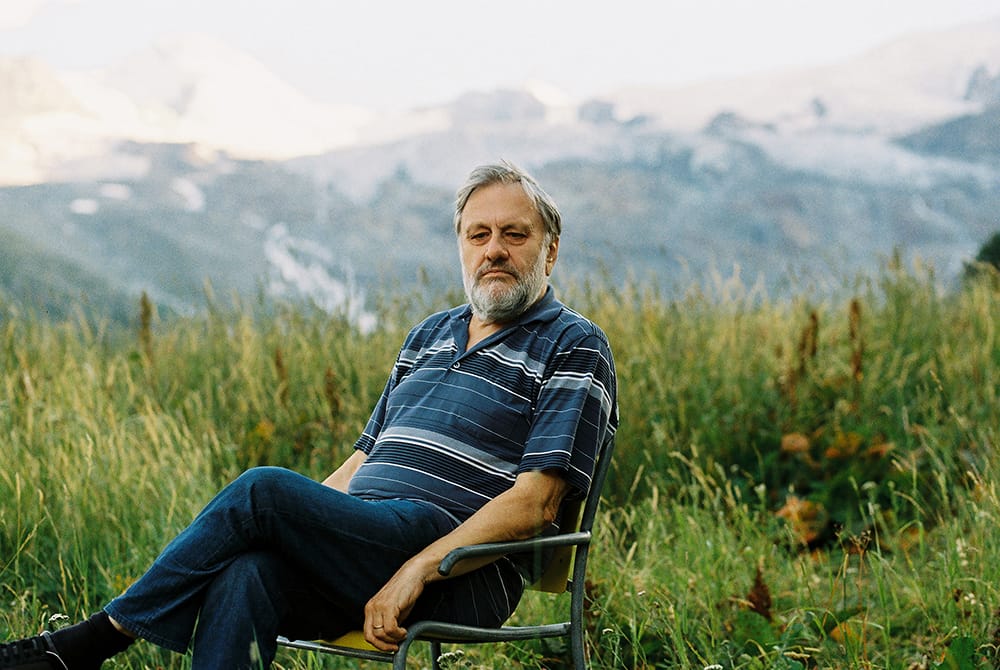
The provocative philosopher Slavoj Žižek suggests that this paradox is not a glitch in modern society, but its defining feature. Our contemporary obsession with choice acts as an ideological smokescreen, masking a profound and fundamental lack of true freedom. To understand how we navigate the modern world, we must confront the uncomfortable reality that we are not just victims of this system—we are active, and somewhat willing, participants in our own captivity.
The Tyranny of the Menu
Modern ideology operates differently than the authoritarian regimes of the past. It does not control us through direct coercion or strict obedience; instead, it controls us through the illusion of infinite options. Žižek refers to this phenomenon as the "tyranny of the menu."
Think about your daily decisions. You can choose between dozens of coffee flavors, hundreds of career paths, and thousands of consumer goods. However, the one thing you cannot easily choose is to step outside the menu itself. The parameters of our reality are pre-determined by an overarching capitalist framework. We are granted total freedom in trivial matters—what to buy, what to watch, what to wear—so that we remain entirely compliant in the areas that truly matter. Endless consumer choices function as a pacifier, keeping us distracted from the systemic forces that dictate the deeper trajectory of our lives.
The Ecstasy of Complaint
If this system is so hollow, why don't we simply reject it? This brings us to one of the most counterintuitive aspects of human psychology: jouissance. Borrowed from psychoanalysis, jouissance refers to a strange, perverse kind of enjoyment we derive from our own suffering and dissatisfaction.
Consider how often we bond over shared grievances. We complain bitterly about soul-crushing jobs, yet we rarely take the leap to quit. We critique the emptiness of consumer culture while simultaneously adding items to our digital shopping carts. Žižek argues that we actually relish this "ecstasy of complaint." Complaining allows us to maintain a safe psychological distance from our actions. By vocalizing our discontent, we convince ourselves that we are morally superior to the system, all while continuing to participate in it. Our dissatisfaction becomes a comfortable, predictable habit that shields us from the terrifying responsibility of real, systemic change.
The Theft of Enjoyment and Political Danger
This psychological quirk goes beyond individual neurosis; it scales up to shape the very fabric of our politics. When we feel the underlying emptiness of our endless choices, we rarely blame the structure of society itself. Instead, we look for a scapegoat.
Žižek explores a mechanism known as the "theft of enjoyment." When we feel that our happiness is lacking, we instinctively project that lack onto an 'Other'—a different social class, a foreign nation, or a marginalized group. We convince ourselves that these outsiders have somehow stolen the joy and fulfillment that is rightfully ours. This projection is politically dangerous. It transforms our internal existential dread into outward hostility, fueling division and protecting the status quo from actual scrutiny.
Seeing the Cage
Confronting these ideas is inherently disturbing. It requires us to look in the mirror and acknowledge that our frustrations, our consumer habits, and even our most passionate complaints might just be the mechanisms keeping our comfortable cage locked from the inside. Breaking free from voluntary servitude begins with recognizing the walls around us—not just the ones built by society, but the ones we willingly maintain ourselves. Understanding the true nature of ideology is the first, essential step toward reclaiming genuine agency in a world determined to sell us an illusion.
Ready to step outside the comfortable cage of modern ideology and explore the hidden forces shaping our lives?
Join "PhiloCrux" community.
Unlock high-density masterclasses and investigations into ideas surviving outside the algorithmic consensus. Support independent thought and get full access to our digital library.
Join Now