We live in an era defined by relentless acceleration, technological breakthroughs, and an endless stream of surface-level information. We are frequently told that humanity is at the absolute pinnacle of its development. Yet, despite our unprecedented material wealth and digital connectivity, a quiet sense of alienation pervades modern society. We find ourselves caught in the chaotic noise of secularism and individualism, increasingly disconnected from any profound sense of meaning.
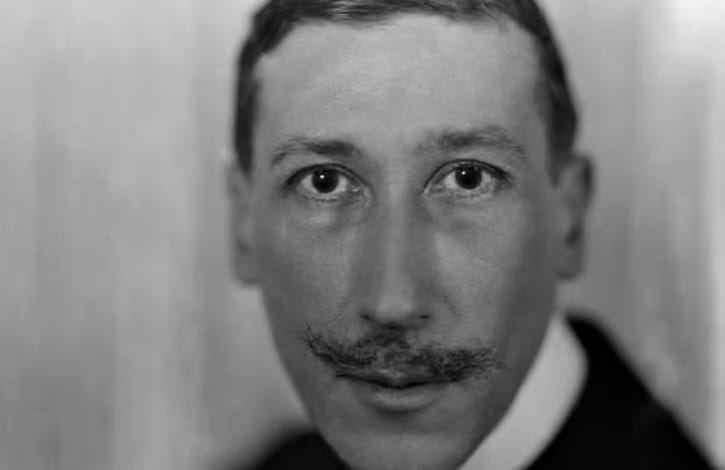
Long before the current crises of meaning took hold, French metaphysician and traditionalist thinker René Guénon warned of this exact spiritual void. Guénon did not just observe the shifts of the 20th century; he fundamentally challenged the very paradigms upon which the modern world is built.
The Illusion of Material Progress
To understand Guénon is to confront an uncomfortable possibility: what if the "progress" we champion is actually a form of deep regression? Modern society operates on the assumption that material advancement equates to human elevation. We measure the success of a civilization by its economic output, its technological convenience, and its focus on individual autonomy.
Guénon fiercely critiqued this worldview. He argued that by prioritizing the material over the spiritual, humanity has severed itself from the eternal truths that once grounded ancient civilizations. Secularism, in its attempt to liberate the individual, has instead isolated us, stripping away the metaphysical frameworks that give human life its ultimate purpose. In Guénon's eyes, the modern obsession with individualism is not a triumph of freedom, but a tragic fragmentation of collective and cosmic unity.
The Dark Age and Counter-Initiation
One of the most fascinating aspects of Guénon’s philosophy is his alignment with traditional Eastern cosmology, specifically the concept of the Kali Yuga, or the dark age. He believed that humanity is currently experiencing a cyclical period of spiritual decline, where authentic wisdom is obscured by materialism.
Further deepening this critique is his complex idea of "counter-initiation." Guénon suggested that the modern world is not simply drifting aimlessly; rather, there are forces and ideologies actively working to invert traditional spiritual truths, leading society further into the dark. Understanding how this concept manifests in our daily lives, our media, and our educational systems is crucial for anyone seeking to navigate the modern world with genuine self-awareness.
Reclaiming the Sacred Through Ritual and Art
Despite his heavy critique of modernity, Guénon’s philosophy is not one of mere despair. It is a profound call to awaken. If the modern world is characterized by a loss of the sacred, the antidote lies in rediscovering it.
Guénon placed immense value on the role of traditional rituals and sacred art. In a secular society, art is often reduced to mere aesthetic pleasure or individual self-expression, and rituals are dismissed as outdated superstitions. However, through a traditionalist lens, these elements are vital. Authentic rituals and sacred art act as bridges to the divine, offering tangible connections to the metaphysical realm. They are the mechanisms through which timeless wisdom is preserved and transmitted across generations.
By engaging with these ancient practices and shifting our intellectual focus away from the superficial, we can begin to resist the pull of modern chaos. Guénon's work invites us to look beyond the immediate and the material, challenging us to align our lives with the profound, cosmic realities that have guided human consciousness since the dawn of time.
Want to dive deeper into Guénon's traditionalist philosophy and explore the hidden forces shaping our modern world?
Join "PhiloCrux" community.
Unlock high-density masterclasses and investigations into ideas surviving outside the algorithmic consensus. Support independent thought and get full access to our digital library.
Join Now