We all know the standard historical narrative of the atomic bomb: a miraculous triumph of modern science that decisively ended the greatest global conflict in human history. But beneath the surface of this widely accepted account lies a much darker, far more complex reality. The dawn of the nuclear age is not just a story of scientific breakthrough; it is a profound historical tragedy defined by political machinations, silenced visionaries, and a moral compromise that forever altered the trajectory of humanity.
By peeling back the layers of wartime propaganda and post-war justification, we can examine the hidden realities of the Manhattan Project and the figures who stood at the crossroads of history.
The Architect's Burden
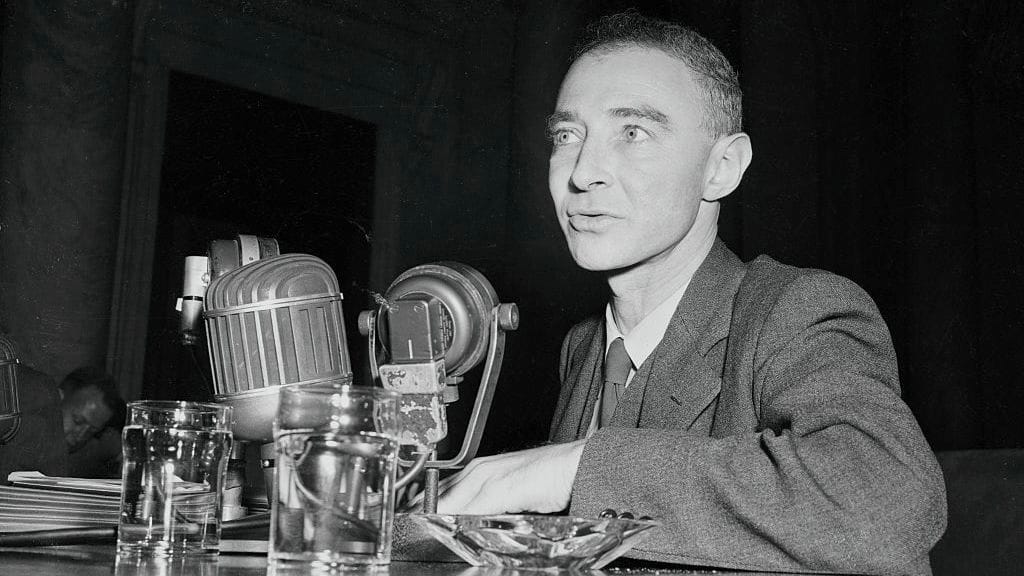
J. Robert Oppenheimer, universally remembered as the "father" of the atomic bomb, represents one of the most compelling tragic figures of the 20th century. While his intellect and leadership brought the terrifying power of the atom to life, the aftermath of his creation left him grappling with a profound ethical crisis.
The triumph of the Trinity test quickly dissolved into a deep, haunting realization of what had been unleashed upon the world. Oppenheimer's subsequent push for international arms control and his resistance to the hydrogen bomb put him directly in the crosshairs of the very government he had served. His story forces us to ask a timeless philosophical question: What happens when the relentless pursuit of scientific progress collides with the boundaries of human morality?
The Silenced Prophet of Peace
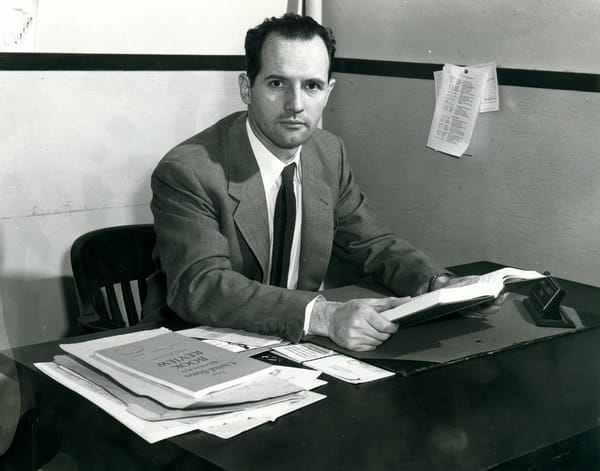
While Oppenheimer’s struggles are somewhat known, the mainstream narrative often entirely omits a crucial figure: Henry Wallace. As a visionary leader and a deeply influential political force during the era, Wallace stood in stark opposition to the emerging nuclear consensus.
Wallace possessed the foresight to see exactly where the weaponization of the atom would lead. He issued dire warnings about the inevitable, devastating consequences of nuclear armament and predicted the looming shadow of a global Cold War. Yet, the powers that be orchestrated a deliberate political maneuvering to sideline Wallace, effectively silencing a voice that championed peace over perpetual geopolitical dominance. The sidelining of Henry Wallace remains one of the most critical "what-ifs" in American history.
The Crossroads of Power and Peace
The decision to drop the bomb on Hiroshima and Nagasaki was not made in a vacuum. It was the culmination of intense political calculations, fear, and a desire to project undeniable global dominance in a post-war world. Exploring the untold history of this era requires looking past the battlefield and into the closed-door meetings where the fate of the modern world was sealed.
A Legacy Written in Fear
The consequences of choosing power over peace did not end in 1945. The suppression of Wallace's vision and the political persecution of Oppenheimer set the stage for decades of paranoia, massive military spending, and the constant, existential dread of Mutually Assured Destruction.
To truly understand our current geopolitical landscape—and the modern ethical dilemmas we face with rapidly advancing technologies today—we must confront the uncomfortable truths of our past. The dark underbelly of the atomic age is a powerful reminder of how ambition, fear, and betrayal can shape the future of humanity.
Join "PhiloCrux" community.
Unlock high-density masterclasses and investigations into ideas surviving outside the algorithmic consensus. Support independent thought and get full access to our digital library.