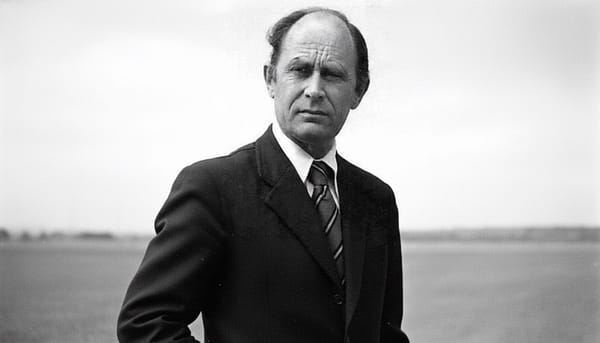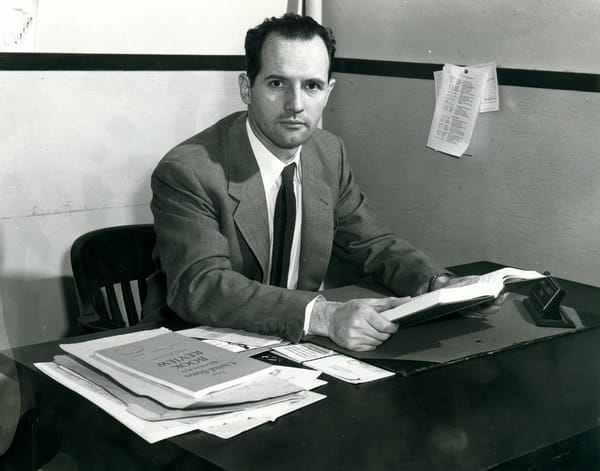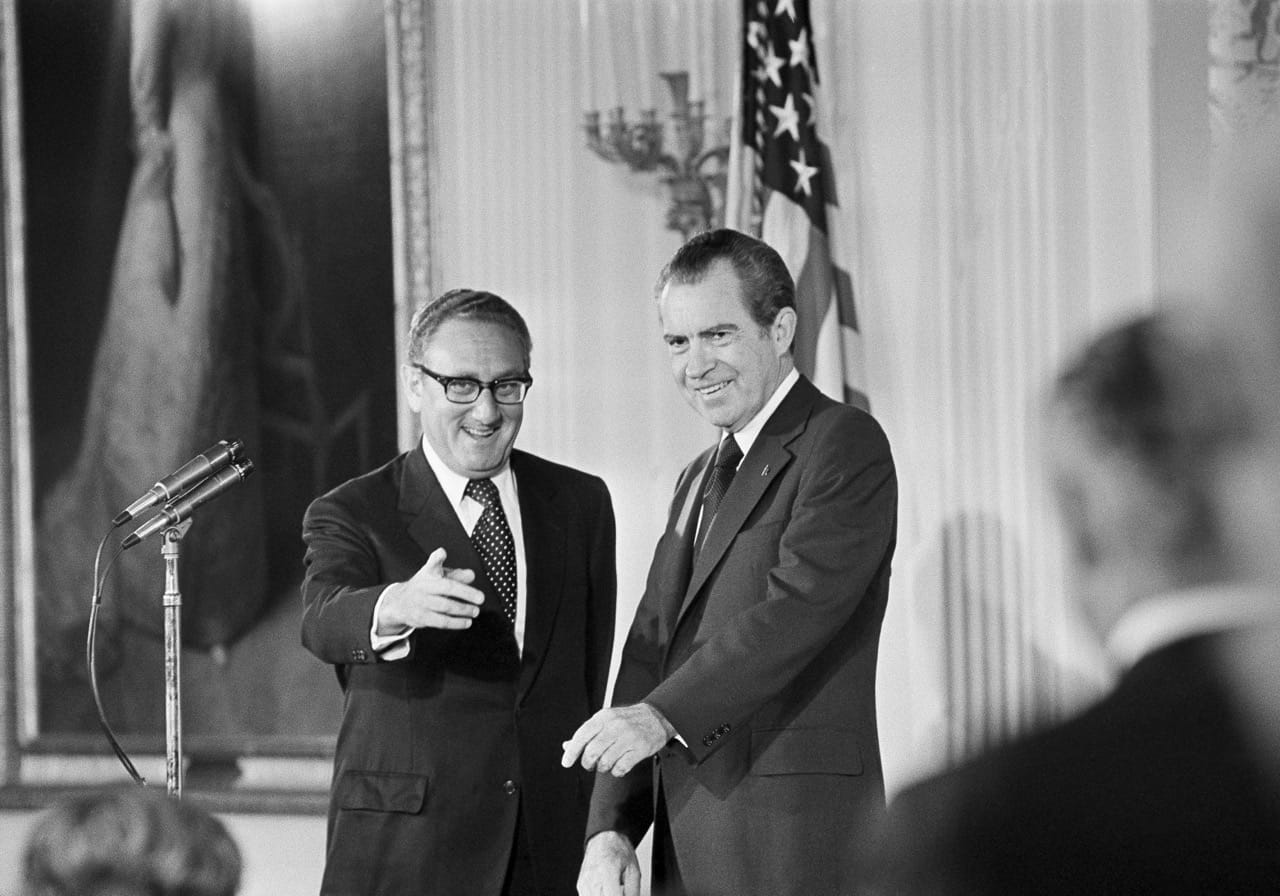
The partnership between Richard Nixon and Henry Kissinger remains one of the most studied, debated, and polarizing alliances in modern political history. To some historians and political scientists, they are the undisputed masters of diplomatic strategy who successfully navigated the treacherous waters of the Cold War. To others, they are the architects of devastating global chaos. Understanding their era requires looking past the sanitized pages of traditional history textbooks to examine the raw, unfiltered mechanics of power they deployed on the world stage.
The Rise of American Realpolitik
When Kissinger brought the European concept of realpolitik to the Oval Office, American foreign policy underwent a seismic shift. This approach prioritized pragmatic, geopolitical gains over ideological, moral, or ethical considerations. Under this framework, every nation and every conflict became a mere pawn on a grand global chessboard.
While this cold philosophy allowed the administration to successfully open diplomatic channels with communist giants like China, it simultaneously served as the justification for actions that carried an immense and tragic human cost. The pursuit of global stability and American dominance became the ultimate goal, overriding the sovereignty and safety of smaller nations caught in the crossfire.
Weaponizing Unpredictability: The Madman Theory
One of the most fascinating and disturbing tactical maneuvers of the Nixon era was the deliberate cultivation of executive instability. Nixon wanted adversaries to believe he was volatile, irrational, and willing to go to any extreme—including nuclear deployment—to secure American interests. This psychological warfare was designed to instill deep fear in foreign leaders.
Coupled with Kissinger’s icy diplomatic calculations, this strategy aimed to force immediate concessions through sheer terror. However, leveraging unpredictability is a dangerous game. It raises profound historical and ethical questions about when diplomatic brinkmanship crosses the line from strategic leverage into undeniable atrocity.
The Shadow of Global Intervention
The true measure of the Nixon and Kissinger administration cannot be weighed solely by historic treaties signed or high-profile handshakes in Beijing. Their legacy is inextricably linked to the prolonged bloodshed in Vietnam, the covert and devastating bombing campaigns in Cambodia, and the quiet, systematic orchestration of democratic collapse in Chile.
These interventions were not mere historical footnotes or collateral damage; they fundamentally reshaped the geopolitical landscape of the 20th century. The decisions made behind closed doors in the White House permanently altered global perceptions of American foreign policy, leaving a complicated trail of destruction. Analyzing these specific events reveals the terrifying reality of unchecked executive power and the heavy price millions paid for the sake of geopolitical dominance.
Join our community of independent thinkers to unlock the full historical deep dive into the hidden forces that shaped the Nixon-Kissinger era.
Join "PhiloCrux" community.
Unlock high-density masterclasses and investigations into ideas surviving outside the algorithmic consensus. Support independent thought and get full access to our digital library.
Join Now