Every single day, we use thousands of words to navigate our lives. We negotiate, express love, argue, and formulate our deepest internal thoughts. But what if the language we use doesn't merely describe the world around us? What if it actively constructs the very reality we experience?
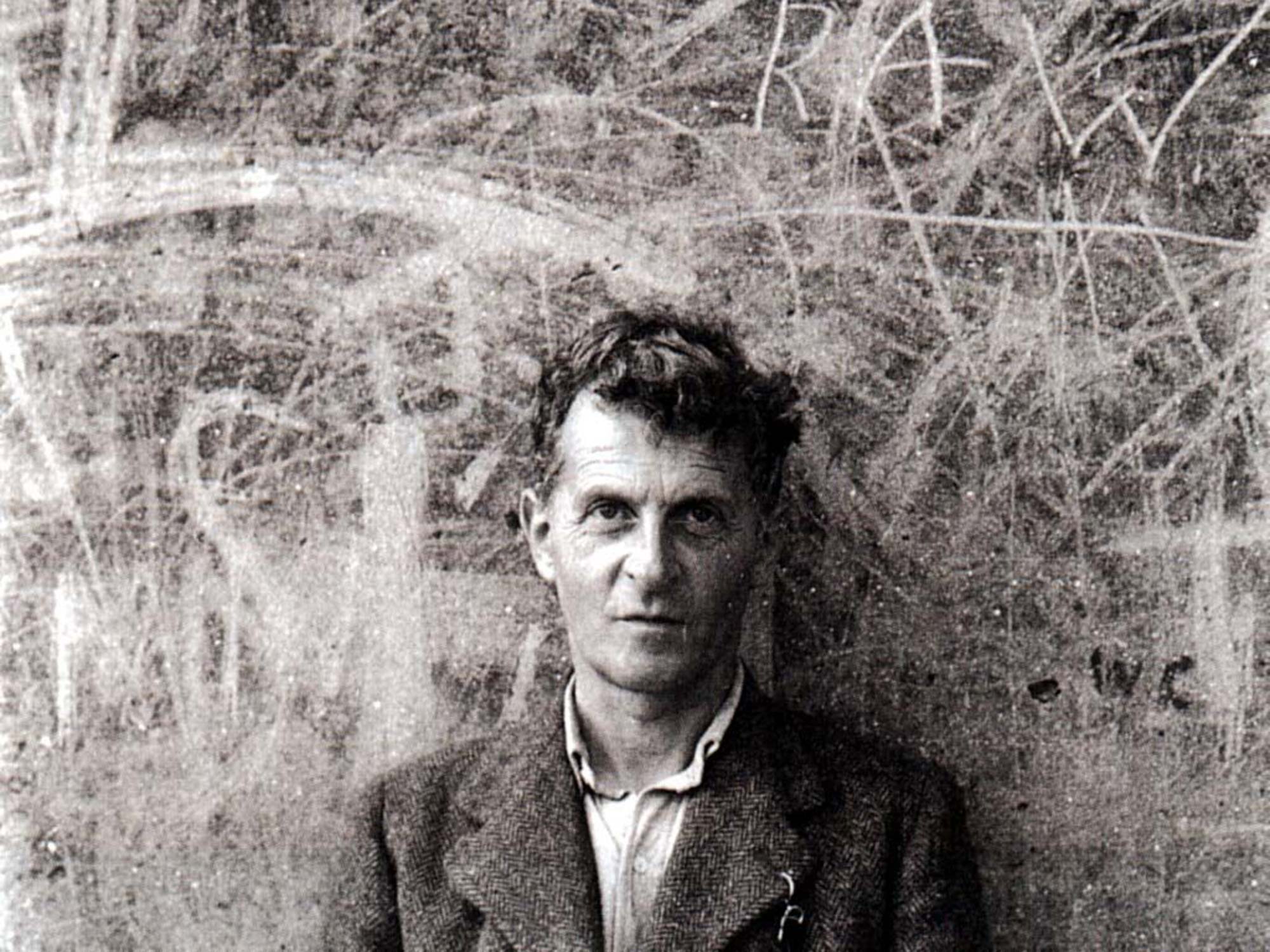
Few thinkers have tackled this profound question with the same rigor and originality as the 20th-century philosopher Ludwig Wittgenstein. By thoroughly examining the mechanics of human communication, Wittgenstein fundamentally revolutionized our understanding of thought, knowledge, and existence itself. His theories challenge us to rethink the invisible boundaries of our minds and the actual limits of what can be known.
The Mirror of the World: Can Words Capture Truth?
In his early intellectual era, Wittgenstein approached language as a strict logical picture of reality. He proposed that words and sentences operate much like a mirror, reflecting the factual state of the universe. If a statement accurately maps onto a real-world fact, it holds meaning; if it doesn't, it is essentially nonsensical.
Under this framework, our perception of reality is strictly bounded by our vocabulary. It suggests that the limits of our language directly correlate to the limits of our world. If we lack the linguistic architecture to articulate a concept—whether it be a complex emotional state or a philosophical absolute—we are incapable of truly grasping it. This realization forces a humbling question: how much of the universe is entirely closed off to us simply because we do not have the words to conceptualize it?
The Paradigm Shift: Language as a Dynamic Game
However, the true brilliance of Wittgenstein's legacy lies in his own intellectual evolution. Rather than resting on his early conclusions, he later dismantled his own "mirror" theory. He realized that language is rarely a perfect, static reflection of facts. Instead, it is a highly fluid, deeply contextual social activity.
He introduced the revolutionary concept of "language games." According to this later philosophy, words do not possess fixed, universal definitions. Their meaning is entirely dependent on how they are used within specific contexts, communities, and shared human activities. A word used in a religious ceremony operates by entirely different rules than the exact same word used in a scientific laboratory or a casual joke.
Navigating the Limits of Human Communication
Understanding language as a dynamic game drastically alters how we perceive knowledge and interpersonal connection. When we find ourselves in bitter disagreements, we are often not arguing over fundamental truths, but rather playing entirely different language games without realizing it. We apply the rules of one context to the vocabulary of another, leading to inevitable misinterpretations and conversational dead ends.
By exploring Wittgenstein’s philosophy, we are invited to become far more observant of the linguistic structures that govern our daily interactions. We learn to identify the unspoken rules of the "games" we are playing with our colleagues, our loved ones, and even ourselves. It is a profound philosophical adventure that not only broadens our intellectual horizons but reshapes how we interpret the meaning embedded in every conversation.
Are you ready to dive deeper into Wittgenstein's mind and uncover the hidden rules that govern human connection?
Join "PhiloCrux" community.
Unlock high-density masterclasses and investigations into ideas surviving outside the algorithmic consensus. Support independent thought and get full access to our digital library.
Join Now