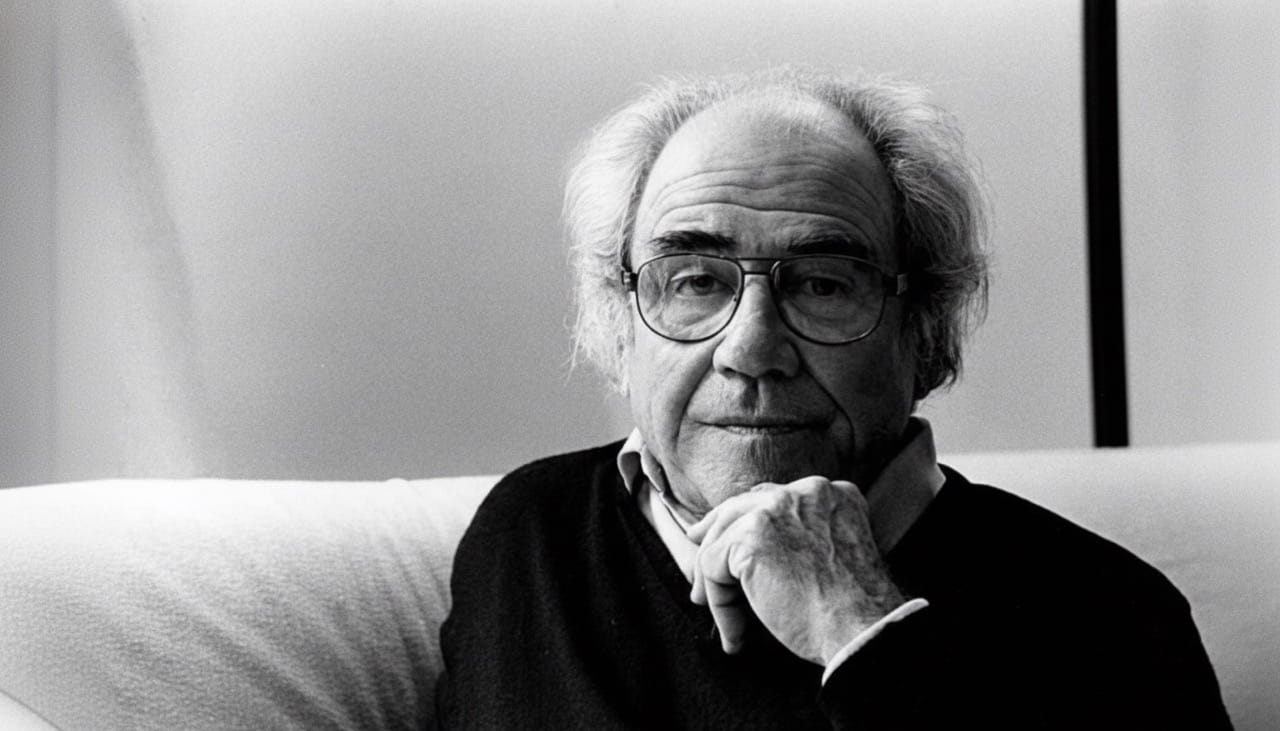
Have you ever scrolled through your digital feed and felt a profound disconnect between the vibrant, curated images on the screen and the tangible world around you? We live in an era where the boundary between what is real and what is fabricated has quietly dissolved. Long before algorithmic timelines, viral memes, and deepfakes became the foundation of modern culture, French philosopher Jean Baudrillard predicted a shift that would fundamentally alter human perception. He called this state "Hyperreality."
The Architecture of Modern Illusion
In today's hyper-connected society, our identities, moral compasses, and even our definitions of success and failure are constantly being shaped by digital forces. Whether it is the performative nature of online activism, the endless pursuit of metrics in the gig economy, or the digital avatars we construct, we participate daily in systems that prioritize symbols over substance.
Baudrillard argued that modern society has gradually replaced genuine reality and meaning with symbols and signs. We no longer interact with the physical world in its raw form; instead, we interact with an ongoing simulation of it. The representations of our lives have become more important than the lives themselves.
The Death of Objective Truth
When a viral internet rumor carries more emotional weight than a verified fact, or when the mechanics of cancel culture dictate real-world consequences based on out-of-context digital fragments, we are witnessing the symptoms of hyperreality. It is a societal condition where the distinction between the original and the copy breaks down entirely.
This philosophical framework forces us to confront uncomfortable questions: Are our desires genuinely our own, or were they programmed by an engagement algorithm? Is our moral outrage authentic, or is it just a byproduct of digital mechanics designed to keep our attention?
Navigating the Desert of the Real
Understanding Baudrillard's philosophy is not just an academic exercise; it is a vital tool for self-awareness and personal growth in the modern age. By recognizing the underlying mechanics of hyperreality, we can begin to untangle our authentic selves from the digital simulations we inhabit.
Exploring these concepts allows us to reclaim our agency, reassess what we truly value, and navigate the complexities of modern existence with a clearer mind. Unmasking the illusion is the first necessary step toward grounding ourselves in a truth that exists beyond the glow of a screen.
Want to dive deeper into Baudrillard's philosophy and uncover the hidden forces shaping your reality?
Join "PhiloCrux" community.
Unlock high-density masterclasses and investigations into ideas surviving outside the algorithmic consensus. Support independent thought and get full access to our digital library.
Join Now