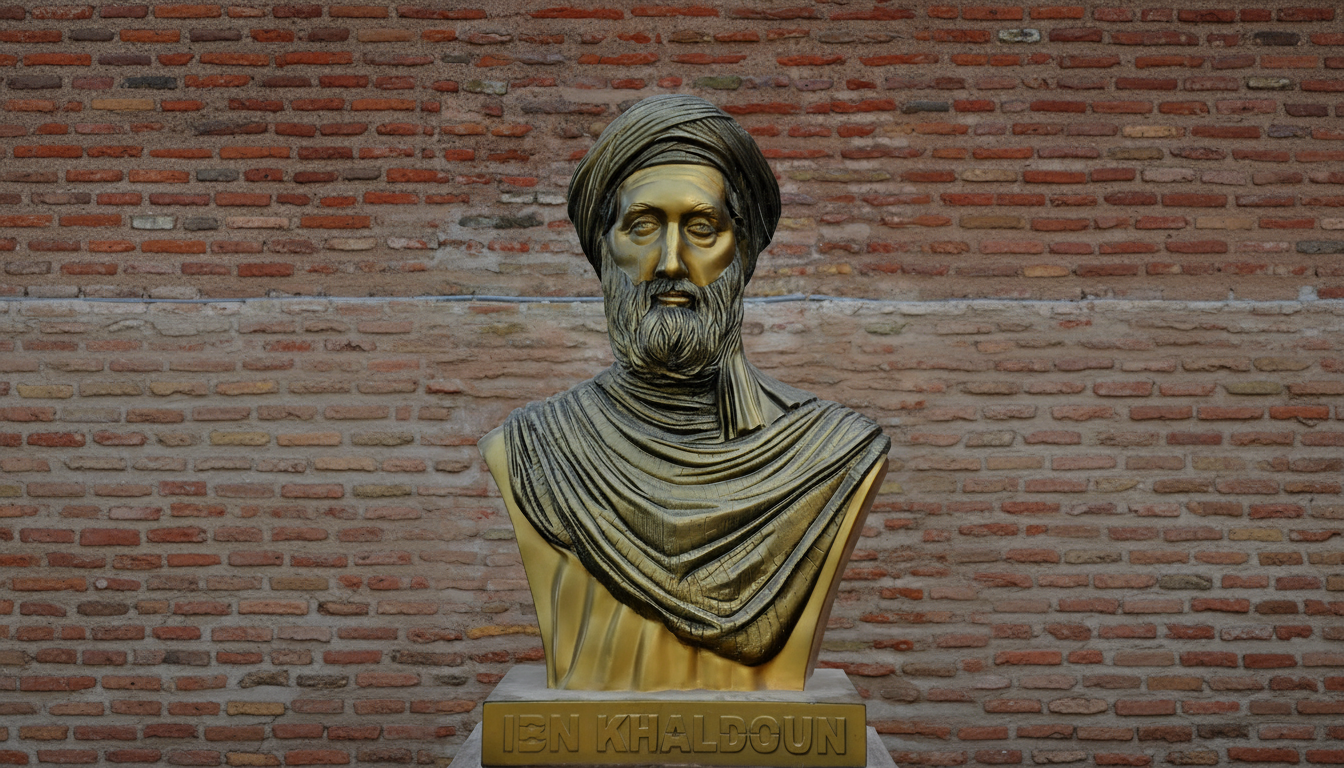
Modern society has a tendency to measure success strictly in numbers. We look at surging stock markets, gross domestic product, and rapid technological advancement as the ultimate indicators of a thriving civilization. Yet, beneath this veneer of perpetual progress, a growing sense of instability is fracturing the global community. What if our fundamental metrics for societal health are profoundly flawed?
Long before the advent of modern economics, a 14th-century scholar named Ibn Khaldun diagnosed the exact vulnerabilities threatening our world today. His conclusion was radically simple but often ignored: true prosperity is rooted not in wealth, but in justice.
The True Foundation of Development
When we think of societal development, we often think of infrastructure and economic policy. However, Khaldun approached the concept from a profoundly humanistic perspective. In his masterwork, the Muqaddimah, he argued that fairness is the true engine of sustained growth.
When justice prevails, human potential flourishes. People feel secure enough to invest in their future, innovate, and collaborate. Conversely, systemic inequality and institutional unfairness act as a slow poison to development. An economy can appear robust on paper, but if that wealth is built on an unjust foundation, the society is merely counting down to its own unraveling.
Asabiyyah and the Fabric of Society
At the core of Khaldun’s philosophy is the concept of Asabiyyah, which roughly translates to social solidarity or group consciousness. It is the invisible social glue that binds a community together, allowing it to overcome monumental challenges and build civilizations.
Khaldun observed that when a society abandons moral progress for pure material accumulation, the resulting injustice dissolves this critical social solidarity. As inequality widens, trust in institutions and fellow citizens evaporates. The shared purpose that once drove the society forward shatters into isolated, self-serving factions.
The Hidden Collapse of Wealthy Nations
History is littered with the ruins of empires that thought their material wealth made them invincible. Khaldun meticulously charted the cyclical nature of civilizations, noting a recurring pattern of rise, stagnation, and eventual collapse from within. He warned that immense wealth often blinds a society to its decaying moral framework.
By prioritizing endless economic expansion while neglecting the social contract, modern nations risk walking the exact path Khaldun outlined centuries ago. Examining his historical frameworks offers us more than just a history lesson; it provides a vital diagnostic tool for our current geopolitical climate, challenging us to rethink how we define, measure, and sustain human progress.
Want to uncover the timeless historical patterns that are shaping our modern world today?
Join "PhiloCrux" community.
Unlock high-density masterclasses and investigations into ideas surviving outside the algorithmic consensus. Support independent thought and get full access to our digital library.
Join Now