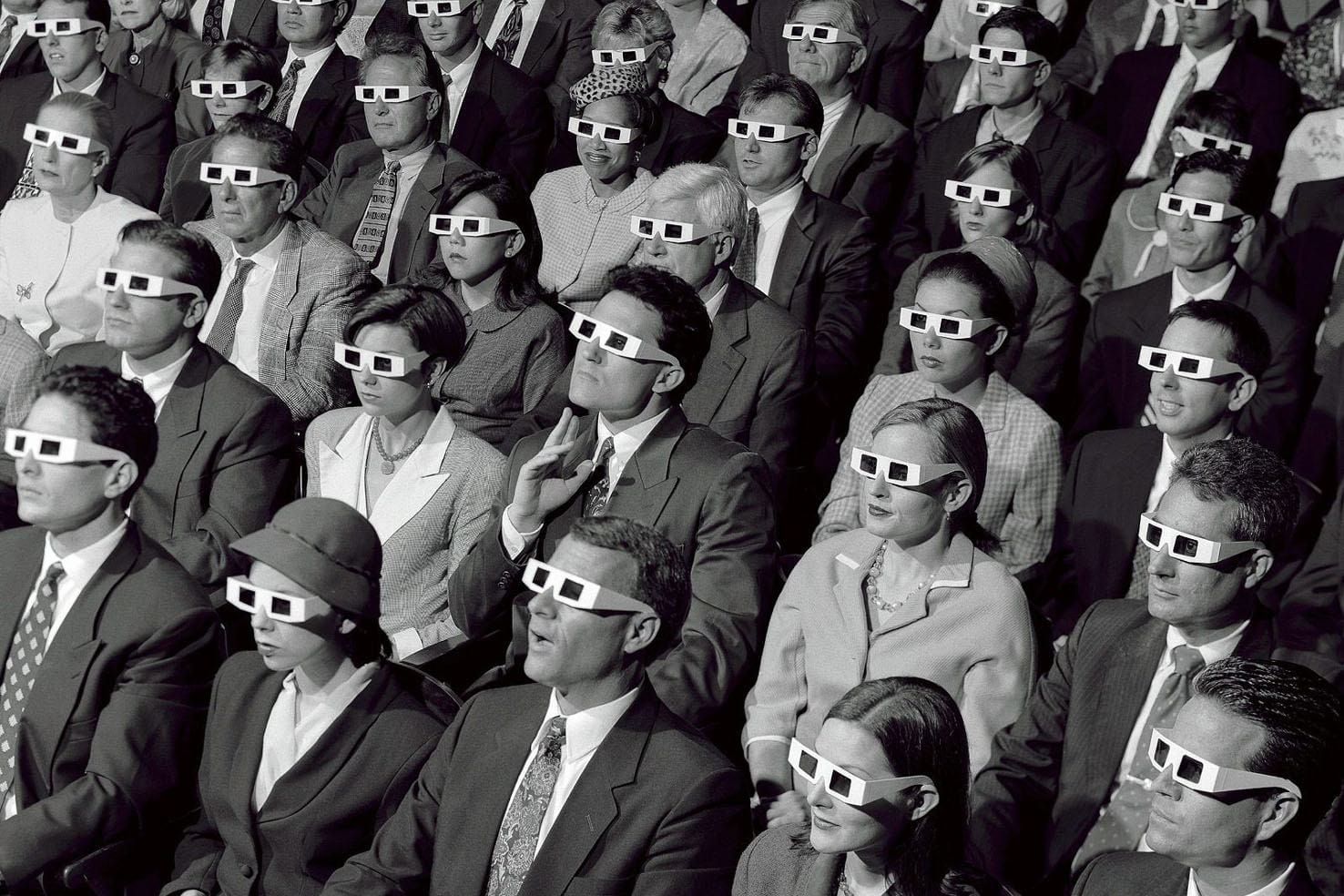
Have you ever felt like you are watching your own life from the outside? In an era dominated by carefully curated feeds, hyper-targeted advertising, and a relentless cycle of digital entertainment, it is incredibly easy to feel a lingering sense of disconnection. This modern malaise isn't just a random byproduct of the internet age—it is a deeply rooted cultural phenomenon predicted over half a century ago by French philosopher Guy Debord.
In his groundbreaking 1967 work, Debord introduced the concept of the "Society of the Spectacle," a profound philosophical lens that remains startlingly relevant today. But what exactly is the spectacle, and how has it come to dominate almost every facet of our daily lives?
The Commodification of Reality
At its core, Debord’s philosophy argues that authentic social life has been largely replaced by its representation. We no longer live experiences directly; instead, we consume illusions.
Think about the way we interact with social media. The focus often shifts from enjoying a moment to capturing the perfect image of that moment to project to the world. We are sold lifestyles, identities, and happiness through endless streams of images and consumerism. The spectacle turns reality into an image, and the image eventually becomes our new reality, leaving us feeling hollow and perpetually unsatisfied.
A Pervasive Influence: From Politics to Urban Life
The reach of the spectacle extends far beyond the screens of our smartphones. It is an all-encompassing framework that dictates how our society operates. In politics, substance and policy are frequently overshadowed by optics, soundbites, and performative outrage. In the entertainment industry, we are fed recycled narratives designed to keep us passive and endlessly consuming.
Even our physical environments are shaped by this concept. Modern urban planning and the architecture of our cities often prioritize commerce and aesthetic conformity over genuine community building. We are physically organized in ways that isolate us, making us more reliant on the spectacle for a manufactured sense of connection.
Reclaiming Authentic Human Connection
If the spectacle is everywhere—shaping our desires, our politics, and our environments—is it possible to break free?
The first step to dismantling the illusion is recognizing it. By applying critical thinking to our daily consumption habits and questioning the motives behind the media we absorb, we can begin to separate our genuine needs from manufactured desires. Reclaiming our authenticity requires a conscious shift away from passive observation and toward active, lived experiences.
By understanding the mechanics of the spectacle, we empower ourselves to resist its influence. We can learn to value true, unmediated human connections over digital validation, paving the way for a much more fulfilling and deeply aware existence.
Join "PhiloCrux" community.
Unlock high-density masterclasses and investigations into ideas surviving outside the algorithmic consensus. Support independent thought and get full access to our digital library.