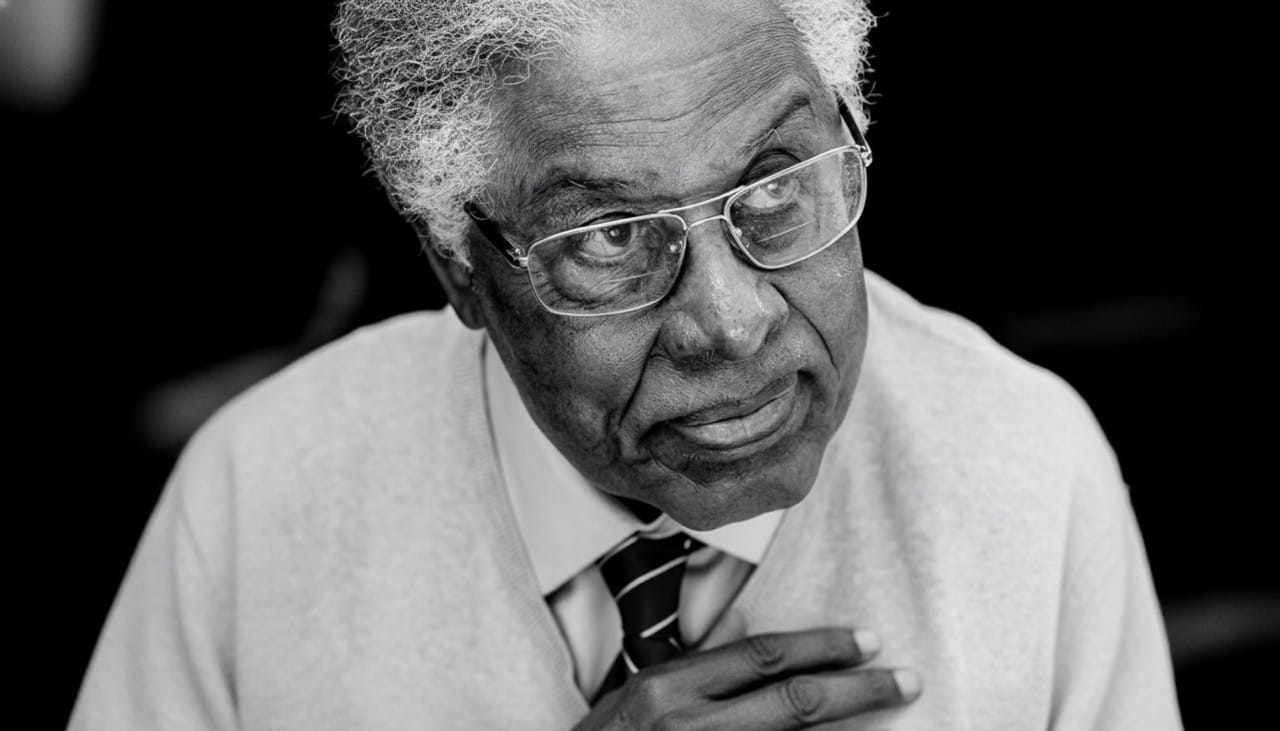
For decades, the public conversation surrounding socioeconomic disparities has been heavily anchored in the concept of systemic barriers. Mainstream discourse frequently points to historical injustices and institutional biases as the primary drivers of inequality. However, renowned economist and social theorist Thomas Sowell offers a profoundly different lens through which to view these complex issues, challenging the prevailing narratives of our time.
Rethinking the Roots of Disparity
Sowell’s extensive research diverges sharply from conventional explanations of economic inequality. Rather than attributing differing outcomes entirely to external systemic forces, he redirects the focus toward internal variables. By analyzing historical data and global economic trends, he builds a case that societal disparities are often the natural result of differing cultural practices, priorities, and individual behaviors. This perspective asks us to reconsider the foundational causes of adversity and question whether current societal frameworks are accurately diagnosing the root of the problem.
The Power of Individual Agency
A central pillar of Sowell's philosophy is the unwavering emphasis on individual responsibility and merit. He argues that hard work, education, and personal accountability remain the most reliable engines for overcoming hardship. In his view, prioritizing these traits fosters genuine empowerment. Conversely, he offers a sharp critique of preferential treatment programs, such as affirmative action. Sowell suggests that these policies can be counterproductive, potentially undermining the very achievements they intend to support by masking the true value of merit-based success.
The Intersection of Culture and Economics
One of the most provocative aspects of this economic philosophy is the assertion that cultural factors play a heavily underappreciated role in social mobility. Different groups, Sowell notes, carry distinct cultural capital—attitudes toward work, family structure, and education—that directly influence economic outcomes. This argument frequently sparks heated debate, as it shifts the responsibility of progress away from broad institutional reform and places it squarely on cultural and individual evolution.
Navigating these ideas requires a willingness to engage with uncomfortable truths and complex societal dynamics. While his views on the interplay between race, culture, and economics invite controversy, they also provide a crucial counter-perspective in the ongoing pursuit of a truly equitable society. Understanding this friction is essential for anyone looking to grasp the full spectrum of modern economic theory.
Want to dive deeper into Thomas Sowell's economic philosophy and explore the hidden forces shaping our society?
Join "PhiloCrux" community.
Unlock high-density masterclasses and investigations into ideas surviving outside the algorithmic consensus. Support independent thought and get full access to our digital library.
Join Now