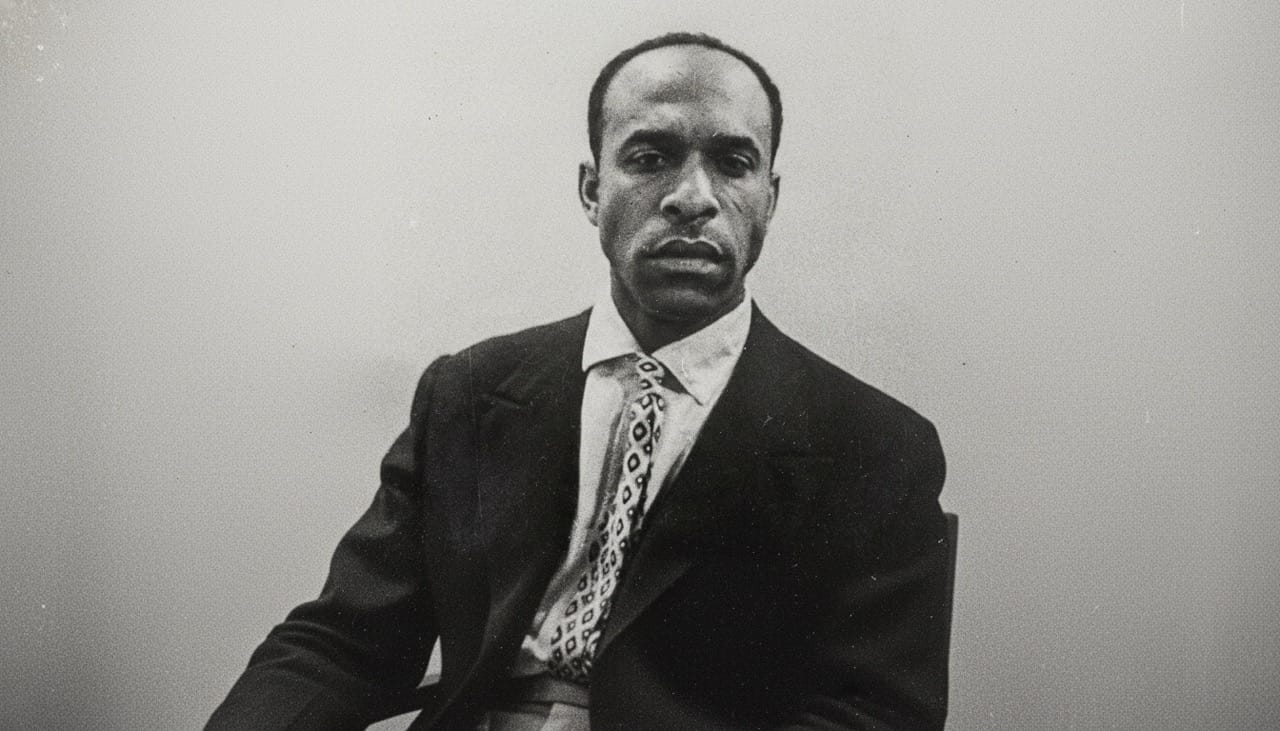
The scars of systemic power are not always physical. Long after borders are redrawn and overt conflicts subside, a hidden, silent battleground remains: the human psyche. Few thinkers have navigated this complex terrain with as much piercing clarity as Frantz Fanon. A revolutionary psychiatrist and philosopher, Fanon dedicated his life to diagnosing the deep psychological wounds inflicted by systemic oppression and charting a course toward genuine mental liberation.
The Architecture of Internalized Oppression
Power does not merely dictate what individuals can or cannot do; it frequently attempts to dictate who they believe they are. Fanon’s exploration into the "colonization of the mind" reveals how dominant cultural narratives can infiltrate an individual's self-perception. This internalized oppression acts as an invisible cage, subtly shaping desires, insecurities, and fundamental identity.
By analyzing the psychological impact of colonialism, Fanon exposed how societal structures force marginalized individuals to adopt the lens of their oppressors. Recognizing these hidden mechanisms is the crucial first step in understanding how external forces script our internal lives.
The Journey Toward Disalienation
Understanding the psychological weight of societal structures is only the beginning. The true challenge—and the ultimate goal of Fanon's theoretical framework—is the demanding process of disalienation. This concept requires a radical untangling of the self from the projections and expectations of dominant power structures.
Disalienation is not a passive state but an active, conscious effort to reclaim mental freedom. It involves dismantling ingrained self-doubt and rebuilding an identity rooted in authentic self-worth rather than imposed inferiority.
Reclaiming Mental Freedom Today
While Fanon's foundational texts were deeply rooted in his personal experiences in Martinique and his psychiatric work during the Algerian struggle for independence, the psychological implications of his theories echo loudly in contemporary society. Modern liberation theory continues to draw heavily on his understanding of how identity is forged—and fractured—under the weight of cultural hegemony.
Exploring his complex, sometimes controversial insights provides profound, practical steps for modern self-awareness. Fanon’s work remains an essential guide for anyone seeking to identify the subtle dynamics of power in everyday life, challenge systemic inequalities, and ultimately step into a truly decolonized, empowered state of mind.
Ready to break free from the invisible forces shaping your mind and master Fanon's theories of liberation?
Join "PhiloCrux" community.
Unlock high-density masterclasses and investigations into ideas surviving outside the algorithmic consensus. Support independent thought and get full access to our digital library.
Join Now