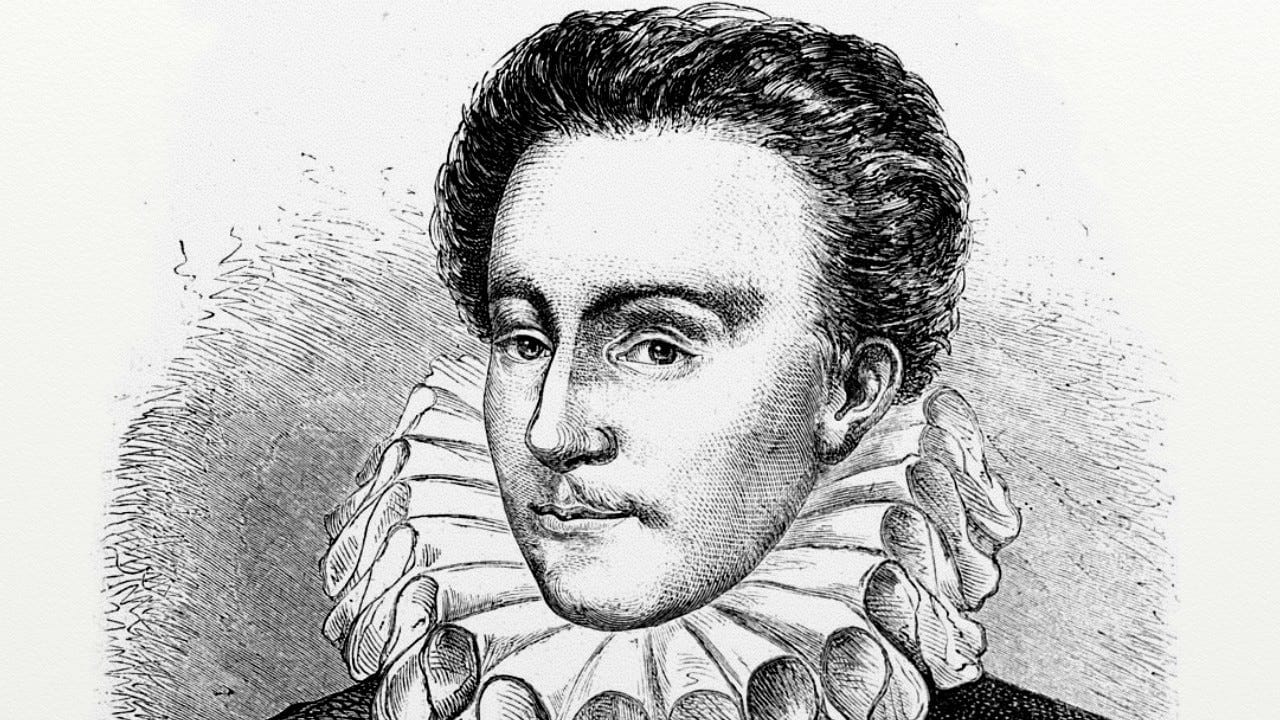
It is one of the most profound and enduring paradoxes of human history: the masses, possessing overwhelming numerical superiority, routinely submit to the will of a single ruler or a small, elite class. This dynamic is not merely a historical anomaly; it is a recurring theme deeply rooted in human psychology and societal structures. To unravel this enigma, we must turn to the brilliant 16th-century French philosopher Étienne de La Boétie and his seminal work, Discourse on Voluntary Servitude.
The Architecture of Submission
La Boétie observed a striking reality about the nature of power. A dictator possesses only two eyes, two hands, and one body. The immense power they wield is never inherent; it is entirely granted to them by the very people they govern. Tyranny, therefore, does not survive solely on brute force or military might. It sustains itself on the ongoing, active compliance of the subjugated.
This realization forces us to ask an uncomfortable question: what drives a population to consent to its own oppression? The answers lie hidden in the complex web of political psychology, social conditioning, and the gradual erosion of individual agency.
The Illusions That Bind Us
The mechanics of voluntary servitude are incredibly subtle. Seldom does a population willingly step into chains overnight. Instead, over time, communities become conditioned to accept their subjugation through a calculated combination of distraction, the promise of false security, and the heavy weight of generational habit.
When true freedom is traded for momentary comfort or the illusion of safety, the human spirit's natural yearning for liberty becomes muffled. La Boétie provides a masterful examination of these mechanisms, revealing how rulers utilize psychological leverage to transform free individuals into compliant subjects. Understanding how this process unfolds is the first necessary step toward intellectual emancipation.
Awakening the Desire for Liberty
Perhaps the most revolutionary aspect of La Boétie’s philosophy is his proposed solution to tyranny. He does not advocate for violent uprising, endless bloodshed, or complex political upheaval. Instead, he proposes a profound, elegant shift in collective consciousness: the simple withdrawal of consent.
If the absolute foundation of a tyrant's power is the voluntary servitude of the masses, then the path to liberation requires nothing more than choosing no longer to serve. As La Boétie famously suggested, if people simply resolve to be free, the tyrant's power dissolves like a colossal statue whose base has been shattered.
Modern Echoes of Voluntary Servitude
While written centuries ago, the themes explored in the Discourse on Voluntary Servitude remain remarkably urgent today. From vast corporate monopolies and digital surveillance to political overreach and the quiet pressures of social conformity, modern society is rife with invisible hierarchies that demand our quiet submission.
By engaging with La Boétie's timeless wisdom, we are challenged to examine our own lives. Recognizing the areas where we willingly give our power away empowers us to cultivate individual responsibility, courageously defend democratic principles, and foster a culture of genuine, enduring freedom in both our thoughts and our society.
Want to dive deeper into La Boétie's philosophy and explore the hidden forces shaping human obedience?
Join "PhiloCrux" community.
Unlock high-density masterclasses and investigations into ideas surviving outside the algorithmic consensus. Support independent thought and get full access to our digital library.
Join Now