The Hidden History of Debt: How Violence and the State Shaped Our Money
The story of money usually begins with a simple fable taught in every introductory economics class: first, early humans bartered goods with one another. When trading a cow for a bushel of wheat became too cumbersome, they invented money to smooth out the transactions. Finally, as financial systems matured, credit and debt were born.
It is a neat, logical progression. It is also, according to the historical and anthropological record, completely backward.
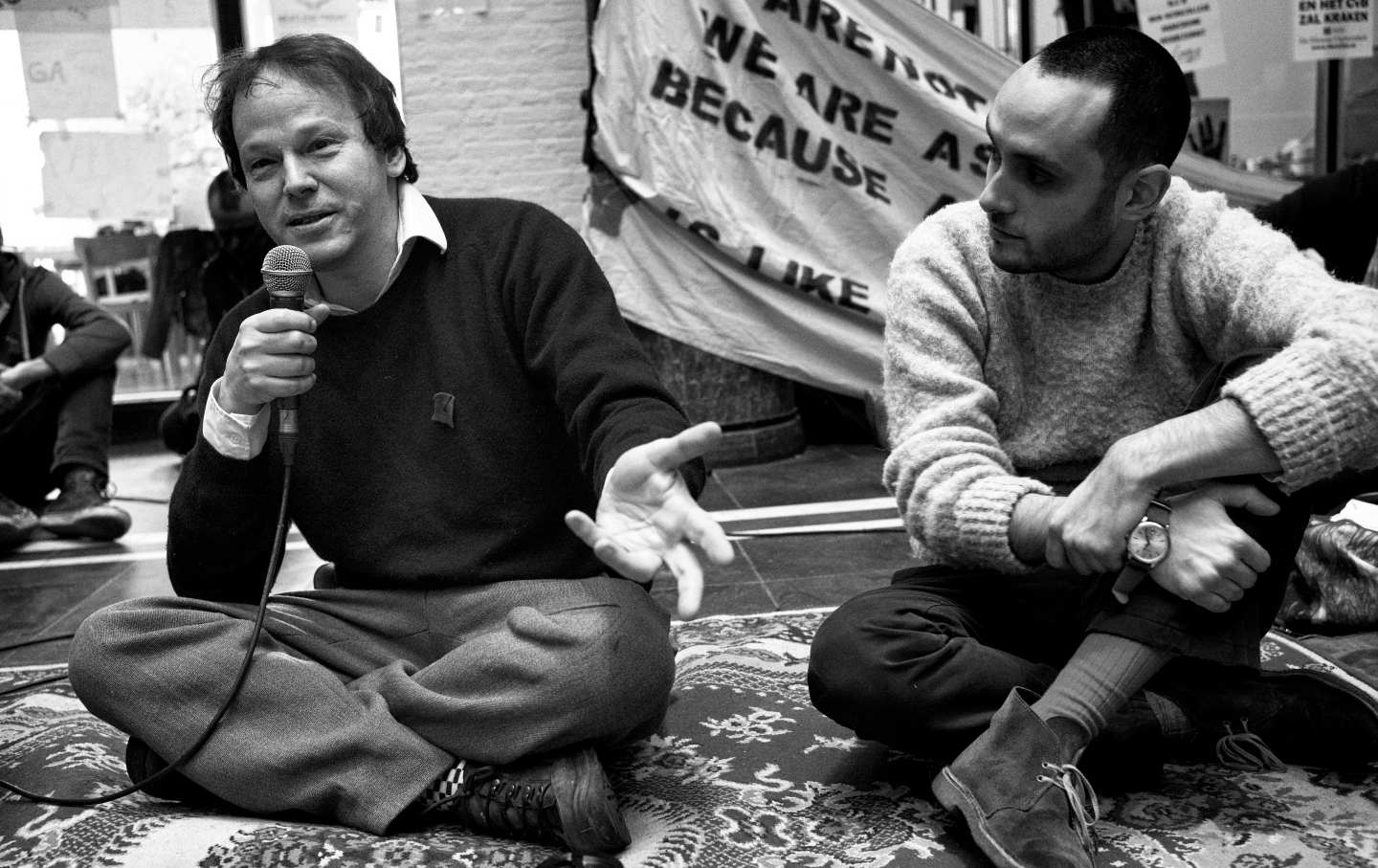
In his groundbreaking work, Debt: The First 5,000 Years, the late anthropologist David Graeber dismantled our most foundational assumptions about economics. By examining the true origins of human commerce, we uncover a profound and sometimes unsettling history—one where money, morality, and state violence are inextricably linked.
Shattering the Myth of Barter
The foundational myth of barter suggests that human beings are naturally transactional creatures, constantly looking to swap items of equal value. However, anthropologists have yet to find a single society that actually relied on barter as its primary economic engine.
Instead of constant swapping, early human societies operated on complex systems of mutual aid and "everyday communism." If a neighbor needed something, it was freely given. This did not create an immediate, mathematically calculated debt, but rather an ongoing social relationship built on trust and mutual reliance. People did not owe each other coins or exact quantities of grain; they owed each other favors, solidarity, and community support.
Primordial Debt and the Sacred
Long before debt was an economic calculation recorded on a ledger, it was a profound spiritual and moral concept. This idea of "primordial debt" suggests that our earliest understandings of obligation were rooted in the sacred. We owed our lives to the gods who created us, to the ancestors who came before us, and to the society that sustained us.
In these early frameworks, debt was not a source of shame or a mechanism of control; it was the very fabric that held humanity together. Recognizing one's debt to the cosmos and the community fostered a deep sense of social responsibility. But a monumental shift occurred when these infinite, unquantifiable moral obligations began to be measured, standardized, and recorded.
The Calculus of Violence and the Rise of the State
The moment a societal obligation is transformed into a specific, mathematically precise debt, the nature of human interaction changes. How do you guarantee that a mathematically exact debt is repaid by a stranger? Historically, the answer has almost always been the threat of force.
There is a shocking, documented link between the quantification of debt, the minting of early currency, and the rise of state-sponsored violence. Armies needed to be fed and supplied. To fund these military campaigns, early states issued coins to soldiers and demanded that conquered populations pay taxes in that exact same currency. This forced everyday people to abandon their traditional systems of mutual aid and participate in state-run markets just to survive.
When "human economies"—which prioritize social relationships and community well-being—are forcibly replaced by "commercial economies," profit suddenly reigns supreme, and human lives are reduced to quantifiable metrics.
The Lost Tradition of the Jubilee
The historical record does not just show us how humanity became entangled in this systemic bind; it also offers radical precedents for how societies historically prevented debt from destroying the social fabric.
For thousands of years, ancient civilizations understood that if debts were allowed to compound indefinitely, wealth would concentrate in the hands of a few, leading to widespread poverty, enslavement, and eventual societal collapse. Their solution was the "Jubilee"—a periodic, systemic cancellation of all debts. Slaves were freed, land was returned, and the economic slate was wiped clean to restore social harmony.
Understanding the true origins of debt forces us to ask deeply uncomfortable questions about modern capitalism. If the rules of money and obligation were constructed by human states—often through violence—they can also be reconstructed. Exploring these historical truths challenges our deepest assumptions about morality, power, and the future of human society, urging us to rethink the invisible forces that govern our lives.
Are you ready to dive deeper into the hidden philosophy of money and uncover the invisible forces shaping our modern world?
Join "PhiloCrux" community.
Unlock high-density masterclasses and investigations into ideas surviving outside the algorithmic consensus. Support independent thought and get full access to our digital library.
Join Now