Major world events often feel as though they are guided by an unseen hand. For decades, the idea that a small, transnational group of influential figures quietly shapes global policy has been dismissed by many as fringe paranoia. However, one highly respected academic dedicated a significant portion of his career to proving that this network is not only real but has been systematically operating in the background of international affairs for over a century.
The Scholar Behind the Curtain
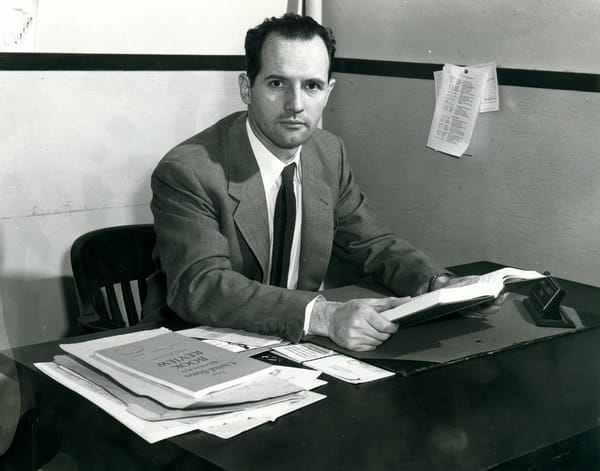
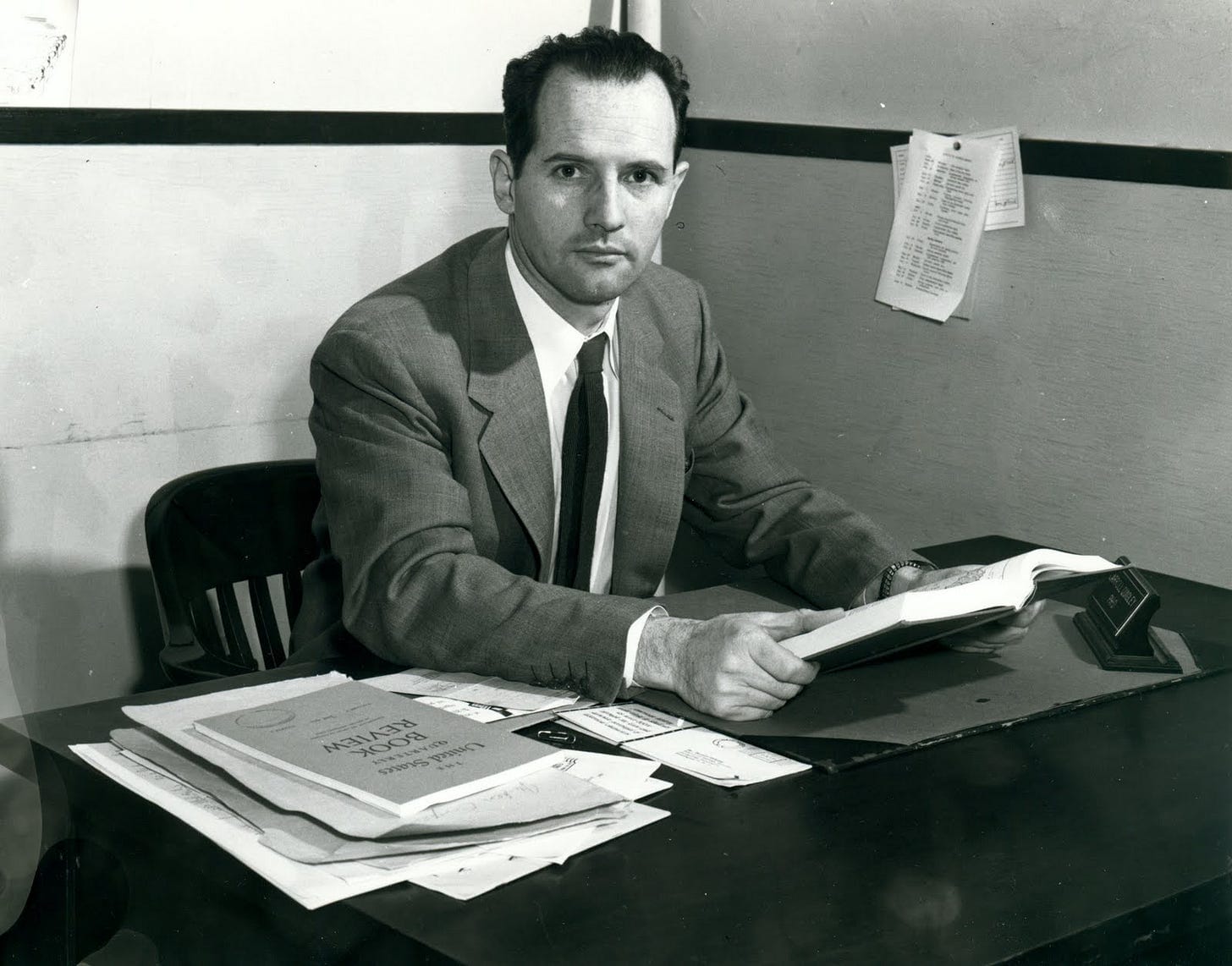
Carroll Quigley was far from a conspiracy theorist. As a distinguished professor of history at Georgetown University—and famously recognized as a mentor to future world leaders, including Bill Clinton—Quigley operated at the very heart of the American academic establishment. He possessed an unparalleled pedigree that granted him unique, insider access to the private archives of highly influential organizations, most notably the Council on Foreign Relations (CFR).
Through his meticulous research, Quigley uncovered a documented trail of an "international Anglophile network." His monumental book, Tragedy and Hope: A History of the World in Our Time, serves as a comprehensive record of how this elite coalition functioned. Rather than a shadowy cabal meeting in smoke-filled rooms, Quigley described a highly organized, pragmatic network of British and American elites working methodically to steer the trajectory of global politics.
Anatomy of an Elite Network
According to Quigley's historical analysis, this network did not rely on brute force. Instead, it operated through the sophisticated capture and alignment of crucial societal pillars: international finance, mainstream media, prestigious academia, and government policy-making. By subtly influencing public opinion and financing strategic think tanks, this group worked tirelessly from the late 19th century onward to establish a framework for global governance.
Their overarching vision was one of international stability and peace, aiming to prevent the devastating global conflicts that had defined the early modern era. Yet, the methods they employed to achieve these utopian goals required a profound concentration of power entirely removed from the democratic process.
The Double-Edged Sword of Power
What makes Quigley’s historical lens so compelling is his own nuanced stance on the network. He did not fundamentally oppose their goal of a unified, peaceful world order. In fact, he largely agreed with their ultimate geopolitical aims. Where Quigley drew the line, and what he fiercely criticized in Tragedy and Hope, was their profound commitment to secrecy and democratic manipulation.
He argued that a free society cannot function if its most consequential policies are decided behind closed doors by unelected, unaccountable individuals. Understanding Quigley’s findings offers a profound paradigm shift. It provides a sobering, academically rigorous framework for analyzing modern power structures, the influence of modern think tanks, and the quiet forces that continue to shape the geopolitics of our time.
Want to dive deeper into Carroll Quigley's research and uncover the hidden networks shaping global power?
Join "PhiloCrux" community.
Unlock high-density masterclasses and investigations into ideas surviving outside the algorithmic consensus. Support independent thought and get full access to our digital library.
Join Now