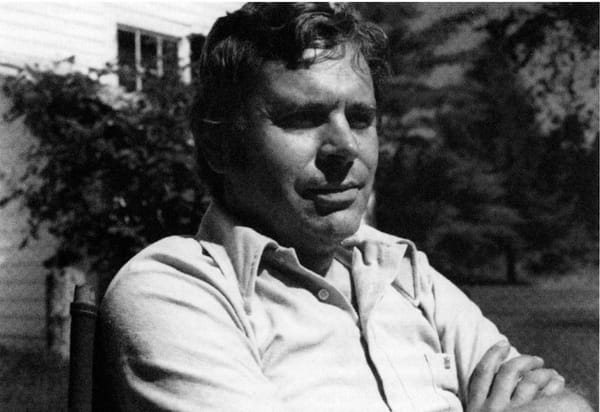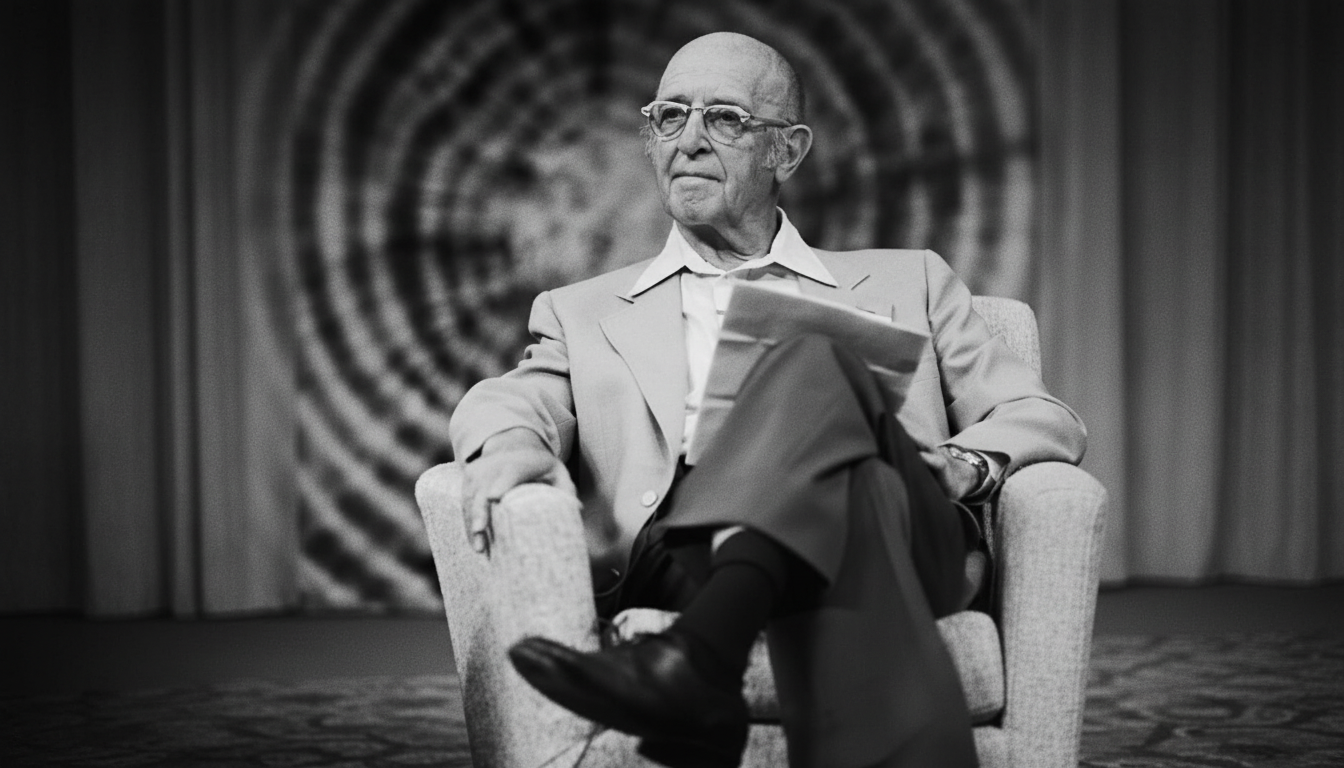
Does modern life feel like a never-ending performance? For many, everyday existence has become an exhausting routine of wearing masks, chasing external validation, and meticulously curating a persona that pleases everyone but themselves. This profound sense of alienation isn't just a personal failing; it is a psychological phenomenon diagnosed decades ago by Carl Rogers, one of the foundational figures of humanistic psychology.
Rogers identified a core tension in the human experience: the painful, often unacknowledged split between our true nature and the identity we feel forced to project to the world.
The Weight of the Split Self
At the heart of Rogers’ philosophy is the concept of "incongruence." This occurs when a severe gap develops between your authentic, intuitive self—what Rogers called the organismic self—and your self-concept, which is the version of you shaped by the expectations of others.
From childhood, we are subjected to "conditions of worth." We learn that love, acceptance, and success are conditional, granted only when we behave, speak, or achieve in highly specific ways. Over time, we suppress our natural impulses and adopt a scripted existence. While this adaptation might guarantee social survival, it breeds a quiet, pervasive anxiety. We become strangers to our own desires, leading to a life that looks successful on the outside but feels entirely hollow on the inside.
The Modern Performance Amplifier
If incongruence was a problem in Rogers' era, today’s hyper-connected culture has turned it into an epidemic. Modern society functions as a massive amplifier for the split self. The relentless demands of digital networking, corporate culture, and algorithmic social validation require us to be "on" at all times.
We are culturally conditioned to view our identities as brands to be managed rather than lives to be experienced. This performance society leaves little room for vulnerability or error, intensifying the pressure to conform and pushing us further away from our organismic baseline. The result is a generation grappling with unprecedented levels of burnout, stress, and a lingering crisis of meaning.
The "Fully Functioning" Alternative
Rogers did not just diagnose the problem; he offered a radical blueprint for a more integrated way of living. He envisioned the "fully functioning person"—someone who has closed the gap between their true self and their outward persona.
Achieving this state requires a fundamental shift in how we navigate the world. It involves an openness to experience, where we stop filtering reality through the lens of what we should feel, and instead embrace what we actually feel. It demands "organismic trusting," which is the practice of relying on our own inner wisdom rather than defaulting to the external judgments of society. Furthermore, Rogers proposed that the core conditions of effective therapy—empathy, genuine congruence, and unconditional positive regard—are not just clinical tools. They are a profound life stance that can transform our daily interactions, fostering deep, authentic human connection.
The True Price of Incongruence
Living performatively carries a heavy, tangible cost. When we operate from a place of incongruence, our decision-making becomes impaired because we are optimizing for external approval rather than internal alignment. Our creativity is stifled under the weight of perfectionism, and our psychological resilience crumbles when our carefully constructed masks are challenged by reality.
Questioning the script society has handed you is not an easy process, but it is a necessary one. Recognizing the profound costs of faking it is the first step toward dismantling the performance, allowing you to bridge the gap between who you are and how you live.
Want to dive deeper into humanistic psychology and break free from the exhausting performance of modern society?
Join "PhiloCrux" community.
Unlock high-density masterclasses and investigations into ideas surviving outside the algorithmic consensus. Support independent thought and get full access to our digital library.
Join Now