Have you ever experienced a coincidence so perfectly timed and deeply personal that it sent a shiver down your spine? Perhaps you were thinking of an old friend you hadn't spoken to in years, only for your phone to ring with their name on the caller ID seconds later. Or maybe you were wrestling with a difficult life decision, and a seemingly random encounter provided the exact insight you needed. While it is easy to dismiss these moments as mere chance, one of history’s greatest psychological pioneers believed they were something much more profound.
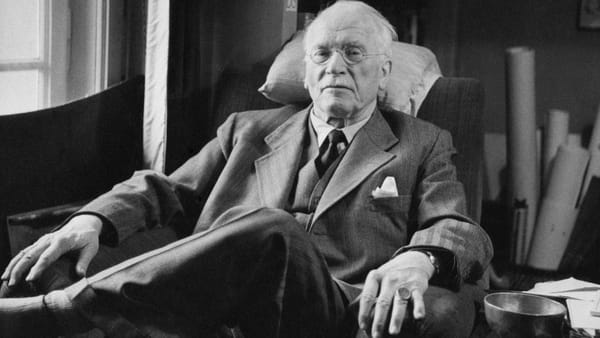
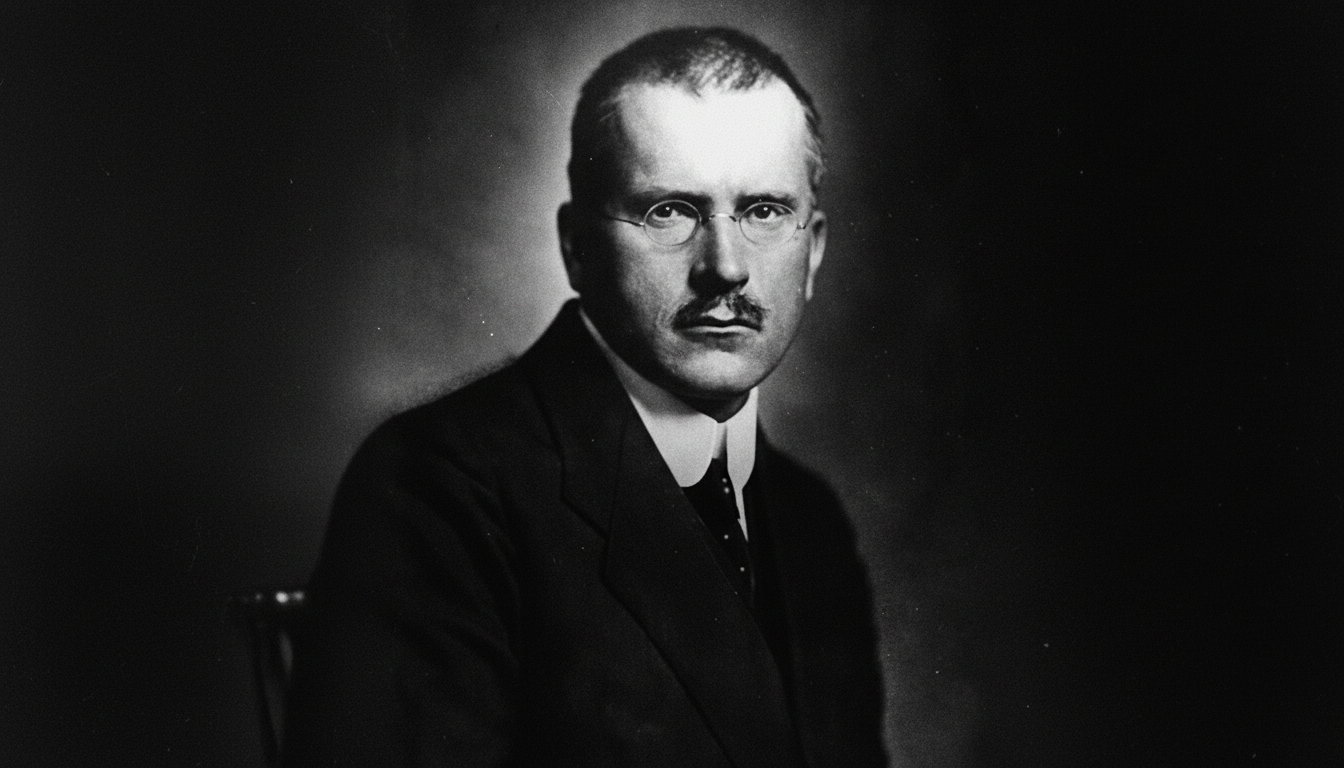
Swiss psychiatrist Carl Jung coined the term "synchronicity" to describe these phenomenon. He defined it as an "acausal connecting principle"—a meaningful coincidence where an internal psychological state perfectly mirrors an external physical event, despite having no direct cause-and-effect relationship.
The Illusion of Randomness
In our modern, hyper-rational world, we are taught to view the universe as a giant machine operating on strict laws of probability. If two unrelated events happen at the same time, it is merely a statistical inevitability. However, Jung argued that this perspective is incomplete.
Through his extensive work with patients and his own deep philosophical inquiries, Jung observed that synchronistic events often occur during periods of intense emotional transformation, crisis, or deep reflection. These are not random misfires of probability; they are moments where the boundary between our inner subjective reality and the outer objective world briefly dissolves.
A Secret Language of the Unconscious
Jung proposed that the unconscious mind does not solely communicate through the symbolic landscape of our dreams. Instead, it can interact with the fabric of reality itself. Synchronicity acts as a secret language—a bridge connecting our deepest internal psychological processes with the external environment.
When we pay attention to these meaningful coincidences, we begin to realize that the universe might not be entirely blind or indifferent. Instead, these moments serve as signposts. They can validate a difficult path we have chosen, warn us of unseen obstacles, or awaken us to a deeper understanding of our own desires and fears.
Deciphering the Hidden Order
Engaging with the concept of synchronicity requires a shift in how we perceive reality. It invites us to move away from a purely mechanical view of life and step into a more interconnected, holistic understanding of existence. Jung believed that beneath the chaotic surface of everyday life lies a deeper, hidden order—a fundamental interconnectedness of all things that he referred to as the Unus Mundus (one world).
By learning to recognize and interpret synchronistic events, we unlock a powerful tool for self-awareness and existential growth. It is not about looking for magical signs in every mundane detail, but rather cultivating a state of open awareness. When we tune into this subtle frequency, we can navigate life's complexities with a greater sense of meaning, purpose, and guidance. The universe is speaking; the only question is whether we are ready to listen.
Ready to decode the hidden patterns of your life and explore Carl Jung's profound psychological theories?
Join "PhiloCrux" community.
Unlock high-density masterclasses and investigations into ideas surviving outside the algorithmic consensus. Support independent thought and get full access to our digital library.
Join Now