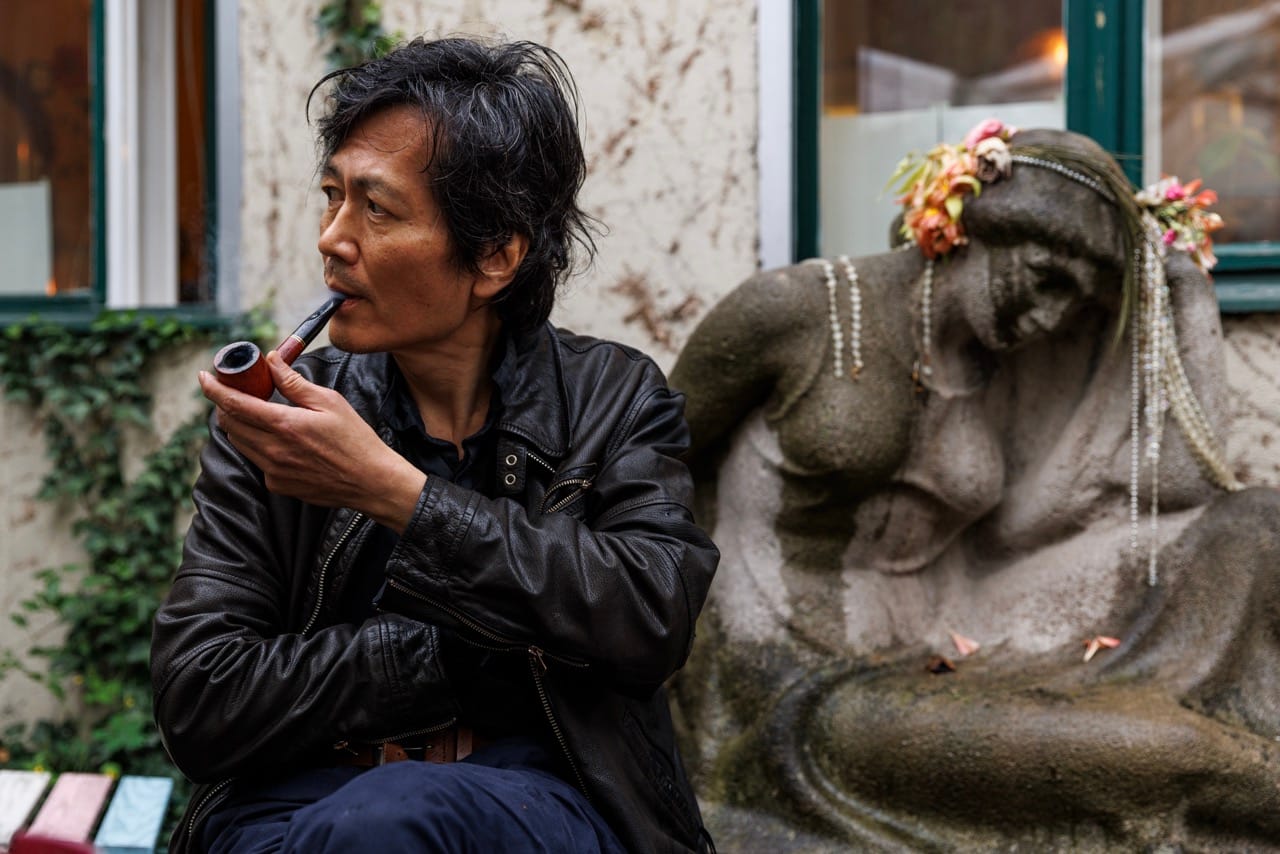
We live in an era where exhaustion is the baseline. Despite having more technological conveniences than any previous generation, we are collectively overwhelmed, constantly wired, and perpetually tired. South Korean-born philosopher Byung-Chul Han argues that this isn't a personal failure—it is the defining psychological condition of our time. His sharp critique of modern society provides a profound lens through which to understand our collective burnout and the hidden forces driving our anxiety.
The Trap of the Achievement Society
According to Han, modern civilization has transitioned away from a "disciplinary society" built on external rules and authoritarian limits. Today, we live in an "achievement society." We are no longer driven by what we should do, but rather by the internalized pressure of what we can do.
This creates a paradoxical reality. We willingly exploit ourselves under the guise of self-optimization and personal growth. The relentless pursuit of productivity transforms us into both master and slave. Because there is always more to achieve, more to optimize, and more to consume, the finish line never arrives, leaving us with a profound sense of emptiness and systemic exhaustion.
The Hidden Violence of Positivity
In today’s hyper-connected digital world, we are constantly bombarded with messages of limitless potential. The cultural mantra that "nothing is impossible" sounds empowering on the surface, but Han warns of its dark side, diagnosing it as the "violence of positivity."
When success is entirely dependent on individual hustle, any failure, delay, or lack of progress is immediately internalized as a personal inadequacy. This overabundance of "yes" eliminates natural boundaries. Without the protective barrier of external limits, our nervous systems bear the full weight of endless expectations, leading directly to a sharp decline in mental well-being and the pervasive burnout we see across modern culture.
The Lost Art of Deep Boredom
One of the most critical casualties of our fast-paced, digitally saturated existence is what Han refers to as "deep boredom." True creativity, philosophical thought, and lasting meaning do not arise from constant stimulation or endless scrolling. They require empty space.
When we immediately reach for our screens to distract ourselves at the slightest hint of idleness, we rob our minds of the incubation periods necessary for genuine innovation. Constant multitasking and the fracturing of our attention leave us in a state of hyper-vigilance. Escaping the noise of modern technology isn't simply about taking a temporary digital detox; it requires a fundamental shift in how we value our time. Reclaiming the ability to focus—and allowing ourselves the freedom to be profoundly bored—is an essential step toward cultivating a more fulfilling, self-aware life.
Unlock the full breakdown of Byung-Chul Han's philosophy and learn how to reclaim your focus by joining our community today.
Join "PhiloCrux" community.
Unlock high-density masterclasses and investigations into ideas surviving outside the algorithmic consensus. Support independent thought and get full access to our digital library.
Join Now