The 20th century was defined by a brutal, global contest of ideas. Three major political theories—liberalism, communism, and fascism—battled for supremacy, fundamentally shaping the modern world. Today, however, with the rapid shifting of global power dynamics and increasing societal fragmentation, many are beginning to ask if the ideological frameworks of the past are equipped to handle the complexities of the 21st century.
Beyond the End of History
When the Cold War ended, the prevailing assumption was that Western liberalism had definitively won, marking what was famously called the "end of history." However, rising political polarization, economic instability, and a pervasive sense of cultural disillusionment suggest that this conclusion was premature. The visible cracks in the modern political foundation have paved the way for radical new critiques that seek to entirely upend the status quo.
The Radical Premise of a New Framework
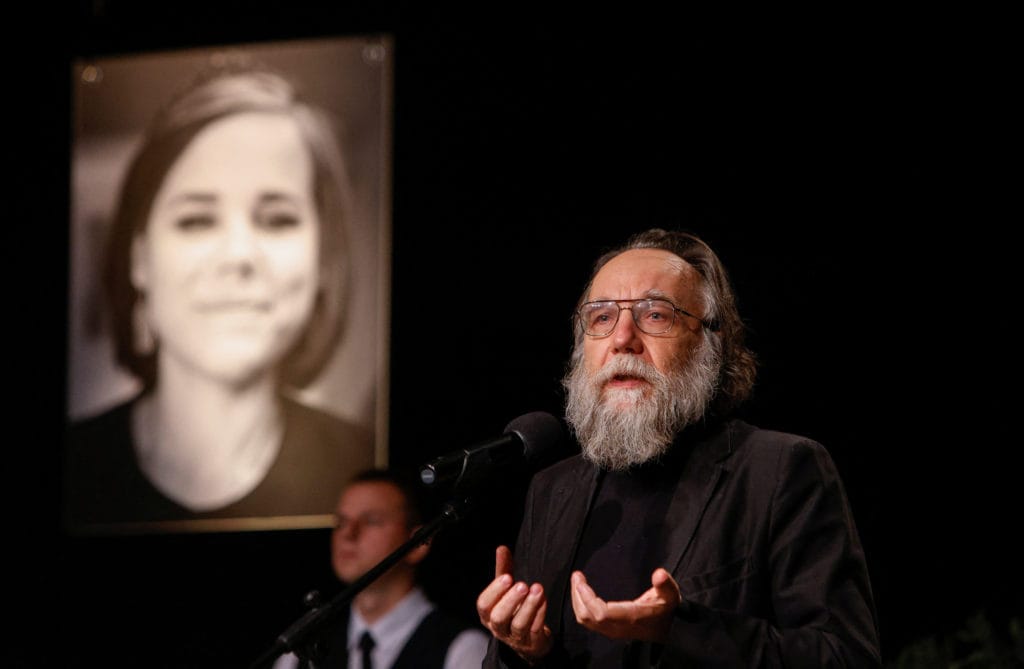
Russian philosopher Aleksandr Dugin proposes a highly controversial framework known as the Fourth Political Theory. At its core, this ideology seeks to completely dismantle the political architecture of the last three centuries. It argues that to move forward, civilization must wholly reject the materialism of communism, the totalitarianism of fascism, and, most notably, the hyper-individualism of modern liberalism.
Rather than adopting any single system from the past, this theory attempts to extract specific elements—like the value of community and the importance of historical roots—while discarding the progressive march toward a unified, globalized society.
A Shift Toward Multipolarity
Instead of a single, interconnected global culture, this theoretical approach advocates for a "multipolar" world. This envisions a globe divided into distinct civilizational blocs, each operating strictly on its own traditional values and spiritual heritage. It explicitly rejects the concept of universal human rights, global governance, and modern consumerism. It is a profound pivot back to tradition and local community over the endless pursuit of technological and social modernization.
The Danger and the Allure
The appeal of such a framework lies in its promise to return meaning, identity, and a sense of belonging to societies that feel hollowed out by extreme individualism and economic globalization. It speaks to a deep-seated human desire for rootedness.
Yet, the emphasis on rigid traditionalism carries severe risks. Critics argue that this philosophy inherently threatens to revive historical animosities, suppress individual freedoms, and create a fractured, conflict-prone world where civilizational borders become modern battlegrounds. Understanding this philosophy is critical, not necessarily to adopt it, but to comprehend the powerful ideological forces currently challenging the Western democratic order. The lingering question is whether these concepts represent a viable blueprint for humanity's next chapter, or a dangerous regression masked as philosophical innovation.
Ready to dive deeper into the controversial philosophies actively reshaping global power dynamics today?
Join "PhiloCrux" community.
Unlock high-density masterclasses and investigations into ideas surviving outside the algorithmic consensus. Support independent thought and get full access to our digital library.
Join Now