The Phantom of the Proletariat
History, as it is taught to the masses, is a theater of ideological romance. We are raised on the mythic imagery of the 20th century: the freezing, starving Russian proletariat storming the gates of the Winter Palace, driven by the righteous indignation of Marxist dogma. We are told that the Bolshevik Revolution was a spontaneous, grassroots eruption of the oppressed against the opulent tyranny of the Romanovs. In this orthodox binary, the world was cleanly divided: the godless, communist East locked in a mortal, existential struggle against the capitalist, democratic West.
But what if the foundational premise of the 20th century’s defining geopolitical conflict was built upon a deliberate, meticulously orchestrated illusion?
Consider a historical paradox that defies the conventional boundaries of political science: Why would the most rapacious, monopolistic titans of American finance—the architects of global capitalism—cheer, facilitate, and directly fund the vanguard of global anti-capitalism? Why would the boardrooms of Wall Street underwrite the very revolutionaries whose explicit, stated goal was the annihilation of private property and the execution of the bourgeoisie?
To answer these questions, we must confront one of the most suppressed and explosive historical investigations of the modern era. We must turn to the archives, unearth the declassified cables, and examine the raw ledger of the Russian Revolution. When we strip away the romanticized veneer of the people’s uprising, a chilling reality emerges: Communism was not a spontaneous eruption from the working class. It was a calculated, elite export.
The Architect of the Archive: Antony C. Sutton’s Heresy
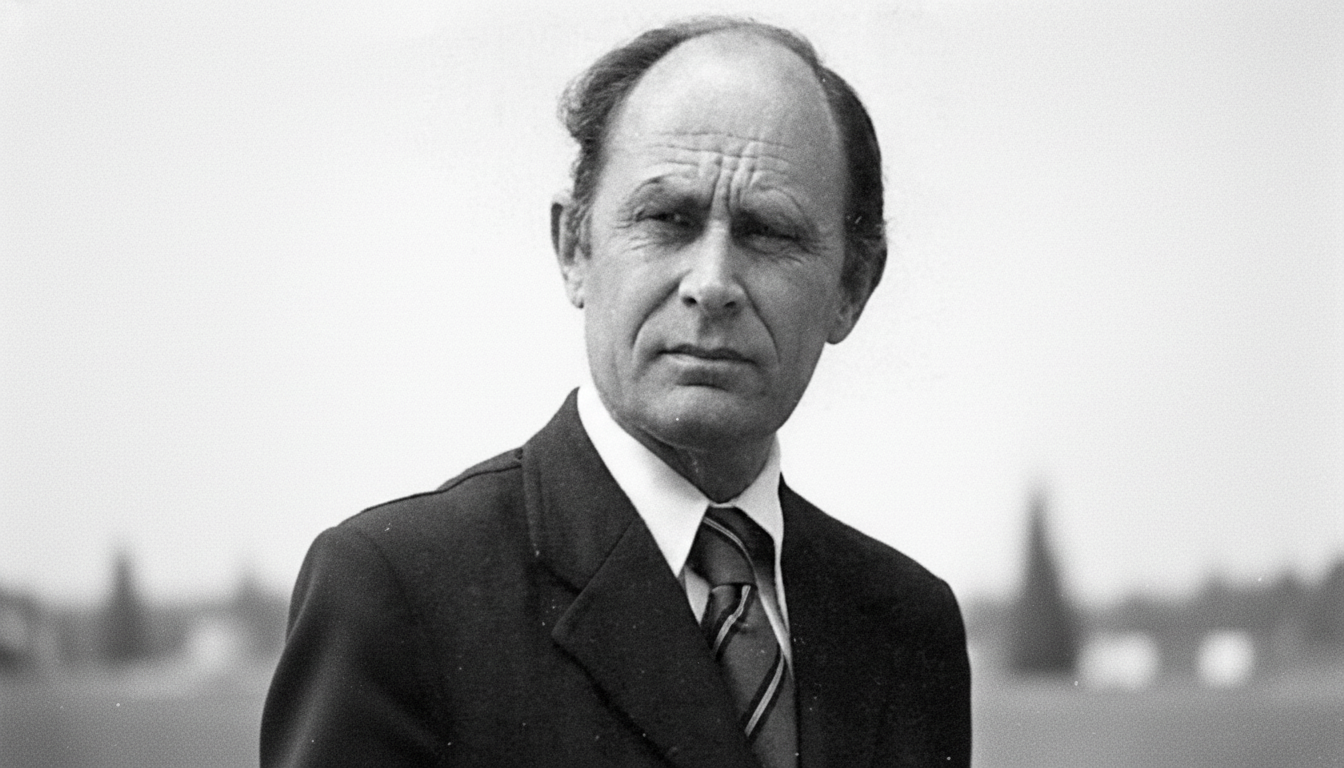
To understand the magnitude of this historical revision, we must first understand the man who dared to drag it into the light. Antony C. Sutton was not a fringe conspiracy theorist; he was a brilliant, rigorous academic, an economist, and a Research Fellow at Stanford University’s prestigious Hoover Institution from 1968 to 1973.
Sutton’s initial academic pursuit was seemingly innocuous: a multi-volume study of Soviet economic development. However, as he meticulously combed through thousands of declassified State Department documents (specifically the 861.00 decimal file series), diplomatic cables, and personal papers of Wall Street financiers, Sutton stumbled upon a historical anomaly that would ultimately cost him his academic career.
He discovered that the Soviet Union’s formidable industrial and military machine was not the product of socialist ingenuity, but was almost entirely built, funded, and maintained by Western technology and Wall Street capital. This led Sutton to an even more dangerous question: If Western capitalists built the Soviet state during the Cold War, did they also help birth it in 1917?
His findings culminated in the seminal, explosive work, Wall Street and the Bolshevik Revolution. Through irrefutable documentary evidence, Sutton demonstrated that the success of Lenin and Trotsky was not a triumph of the proletariat, but a triumph of transnational finance. He exposed a shadowy nexus of Wall Street banks—most notably the Morgan and Rockefeller interests, Guaranty Trust Company, and figures like Jacob Schiff and William Boyce Thompson—who utilized the chaos of World War I to install a regime in Russia that would serve their own monopolistic ambitions.
Sutton committed the ultimate academic heresy: he proved that the ideological enemies of the 20th century were, in fact, business partners.
Continue reading this briefing
You've reached the members-only portion of this 15 min read essay. Become a PhiloCrux member to finish it — and unlock the full archive of 25+ deep-dive masterclass and private audio briefing.
Already a member? Sign in