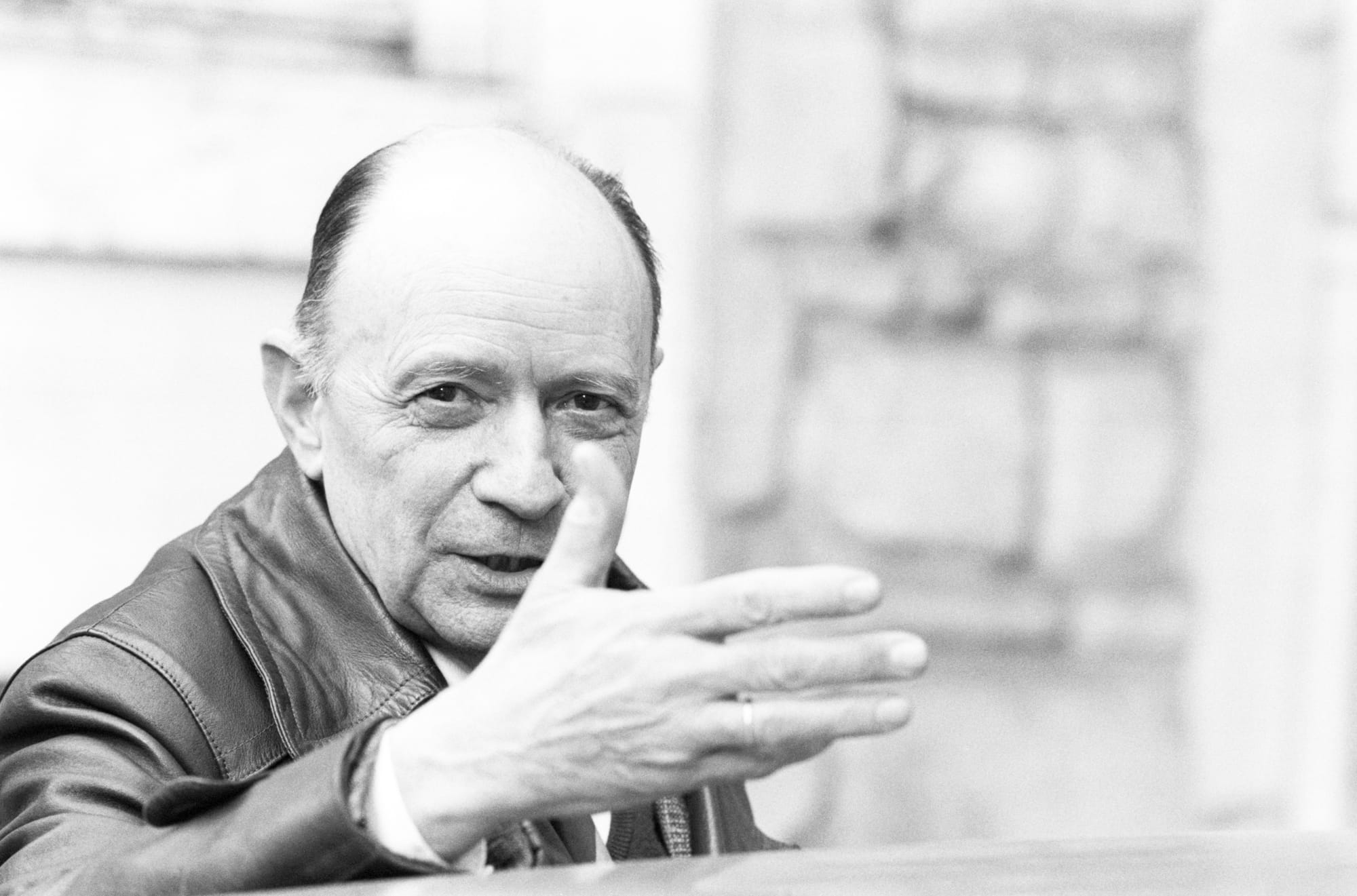
We live in an era where efficiency is the ultimate virtue. Every app, device, and system we interact with is meticulously designed to optimize our lives, eliminate friction, and solve problems with unprecedented speed. But what if this relentless pursuit of technological perfection is silently eroding the very foundation of our freedom? Decades before the advent of smartphones and predictive algorithms, French philosopher Jacques Ellul recognized a profound and dangerous shift in human civilization. He warned that our unyielding faith in technological advancement could carry devastating, unforeseen consequences for human autonomy.
The Tyranny of "Technique"
At the heart of Ellul’s critique is a concept he called "technique." This idea extends far beyond the physical machines, screens, or gadgets we use; it represents a pervasive cultural mindset. Technique is the absolute prioritization of efficiency in every single sphere of human activity. When society adopts this framework, everything—from education and politics to human relationships—is reduced to a mechanical problem awaiting a streamlined solution. While this mindset drives rapid industrial and digital innovation, Ellul argued that it fundamentally alters the human experience, elevating maximum output above deeper meaning, morality, and organic connection.
The Machination of Humanity
As systems become increasingly automated and complex, the role of the individual begins to shrink. Ellul foresaw a chilling reality where humans risk being downgraded to mere cogs within a vast, self-perpetuating technological machine. This blind devotion to efficiency demands total predictability. However, human nature—with all its flaws, emotions, and spontaneous creativity—is inherently unpredictable. To fit smoothly into this hyper-optimized world, society is subtly pressured to conform, standardizing behavior and flattening the unique traits that make us truly human.
A New Architecture of Totalitarianism
Perhaps Ellul's most urgent warning centers on the relationship between technological reliance and systemic control. Today, the ability to harvest, process, and analyze massive quantities of personal data has created an infrastructure that previous authoritarian regimes could only dream of building. Ellul feared that this invisible architecture of surveillance and data collection would inevitably breed a new form of totalitarianism. This modern dystopia would not be built on violent coercion, but rather on convenience, algorithmic nudging, and total digital dependence. As these systems increasingly dictate the flow of information and influence human behavior, the boundaries of personal privacy and democratic freedom become perilously fragile.
Examining Ellul’s philosophy forces us to confront uncomfortable truths about our modern reality. It directly challenges the modern assumption that all technological progress inherently equates to human progress. By understanding the underlying mechanics of technique and its potential to quietly strip away human agency, we are better equipped to navigate an increasingly automated world. The question we must all face remains: Are we the masters of our tools, or have we slowly become the subjects of an optimized, technological empire?
Unlock the full video to dive deeper into Ellul's philosophy and explore the hidden technological forces shaping our modern world.
Join "PhiloCrux" community.
Unlock high-density masterclasses and investigations into ideas surviving outside the algorithmic consensus. Support independent thought and get full access to our digital library.
Join Now