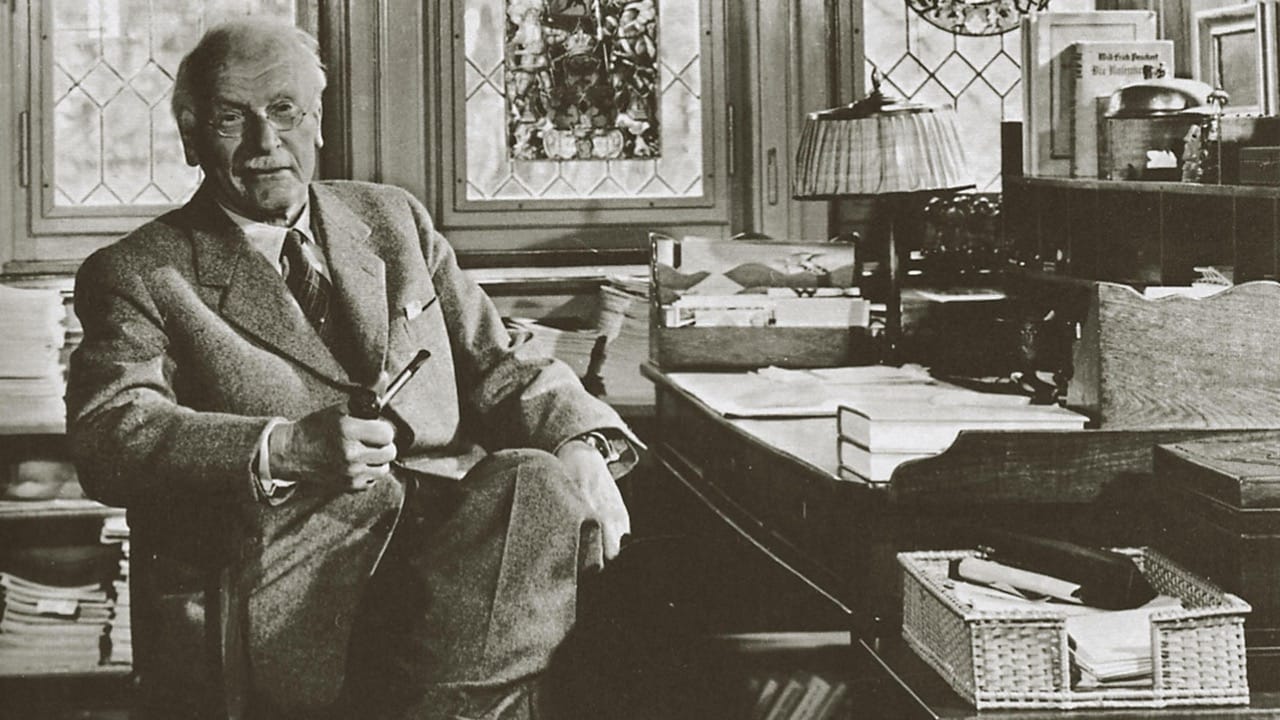
For centuries, the figure of Jesus Christ has been viewed primarily through the lens of theology and historical record. However, the pioneering Swiss psychiatrist Carl Jung proposed a radically different perspective—one that shifts the focus from external religious history to the intricate, internal landscape of the human mind. To Jung, Christ was not merely a historical or religious figure, but the ultimate manifestation of a powerful psychological archetype.
The Blueprint of Psychological Wholeness
At the core of Jungian psychology is the concept of the "Self," an archetype that represents the unification of the conscious and unconscious mind. It is the ultimate goal of human psychological development: total integration and wholeness.
Jung posited that the image of Christ stands as a perfect psychological mirror for this inner unity. By embodying ultimate perfection, profound suffering, and divine transcendence, the Christ figure serves as a blueprint for our own journey toward self-actualization. When we project the archetype of the Self onto historical or mythic figures, we are actually recognizing our own latent potential for profound internal growth.
Decoding the Symbolism of Resurrection
What happens when we view the monumental milestones of the Christ narrative—life, death, and resurrection—as psychological metaphors rather than strictly historical events? From a Jungian perspective, these stages map out the painful but incredibly necessary process of "individuation."
The "crucifixion" can be interpreted as the necessary suffering and surrender of the ego. In order for true psychological growth to occur, our rigid, superficial identities must often undergo a symbolic death. Following this descent into the unconscious "shadow," the "resurrection" symbolizes the rebirth of a more integrated, authentic, and whole self.
A Universal Framework for Transformation
The true brilliance of Carl Jung’s interpretation is that it transcends religious dogma and institutional boundaries. Whether one approaches the Christ figure from a place of deep spiritual faith or entirely secular, psychological curiosity, these archetypal patterns remain intensely relevant.
Understanding this specific archetype offers a unique psychological roadmap. It allows individuals to navigate their own inner shadows, confront deeply ingrained personal limitations, and unlock a profound level of self-awareness. By integrating the lessons of this archetype, we gain a valuable tool for navigating the complexities of human existence and moving closer to genuine inner peace.
Want to dive deeper into Jungian psychology and unlock the hidden archetypes shaping your mind?
Join "PhiloCrux" community.
Unlock high-density masterclasses and investigations into ideas surviving outside the algorithmic consensus. Support independent thought and get full access to our digital library.
Join Now